Engineering and manufacturing
Custom magnet programs built around the working product.
Elite Magnets reviews the application and coordinates an appropriate material, machining, coating, magnetization, assembly, and inspection route with the selected manufacturing resources. The route is confirmed against the actual drawing and program requirements.

01Application and drawing review before pricing
02Material, geometry, coating, and magnetization aligned
03Prototype evidence connected to repeat production
Overview
One engineering path from requirement to repeat supply.
High-performance magnets are rarely catalogue-only components. Air gap, temperature, corrosion exposure, assembly pressure, magnetization direction, tolerances, and inspection methods all affect whether the finished part works. Our capability model keeps those decisions connected.
01
Material and grade review
Compare NdFeB, SmCo, and bonded routes against magnetic output, temperature, corrosion, size, and commercial targets.
02
Geometry and DFM
Review brittle-material limits, edge protection, machining allowances, wall thickness, tolerances, and assembly interfaces.
03
Coating and surface route
Select plating or coating around the operating environment, bonding method, cleanliness, dimensional stack, and durability target.
04
Magnetization and assembly
Plan pole direction, multipole fixtures, sleeves, housings, adhesive gaps, balancing, and handling before the design is frozen.

Manufacturability review
Engineering review is most valuable before tooling and tolerances are locked.
A useful review combines the drawing with the real application. Available equipment, tolerances, tooling, process ownership, and capacity vary by material, geometry, quantity, and selected manufacturing route; they are confirmed during RFQ review rather than assumed from a general capability page.
- 2D drawing and 3D model review
- Magnetic target and operating temperature
- Route-specific tolerance, equipment, and tooling confirmation
- Prototype quantity, annual demand, and available capacity review
- Inspection method, documentation, and evidence available for the selected route
Working process
A six-stage route keeps technical and commercial decisions visible.
The exact process changes by material and geometry, but the decision gates remain consistent.
Requirement review
Application, magnetic target, environment, drawing, and volume are checked together.
Route proposal
Material, grade family, process, coating, and magnetization approach are defined.
DFM alignment
Critical dimensions, tolerances, assembly interfaces, and measurable acceptance criteria are agreed.
Prototype build
Samples are produced with a documented inspection route and open technical feedback.
Validation
Dimensional, magnetic, coating, appearance, and application feedback are closed before release.
Repeat production
Control plan, packaging, traceability, and change communication support recurring supply.
Production controls
Each manufacturing step must be confirmed for the selected material and geometry.
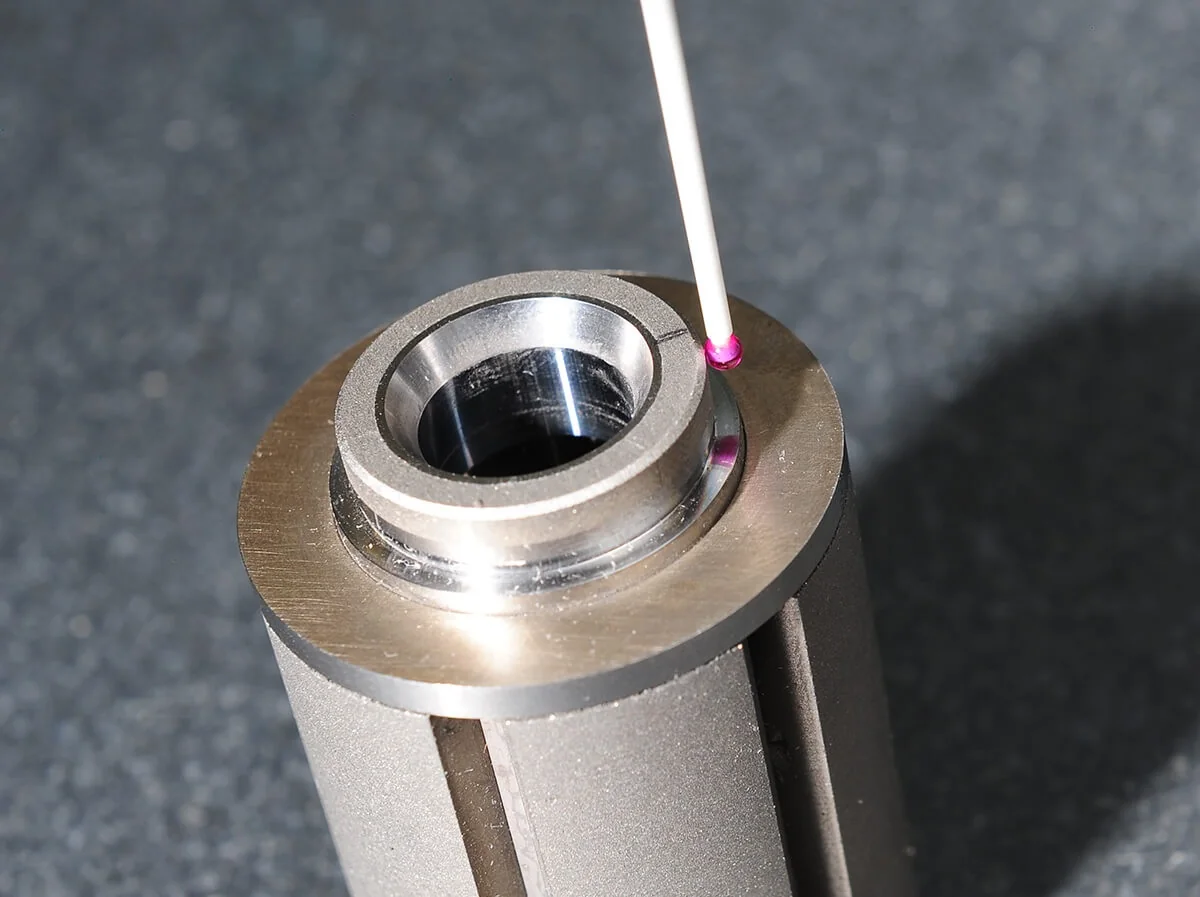
Dimensional inspection
Critical dimensions and inspection methods are agreed around the functional interface.

Surface protection
Coating selection is reviewed against corrosion, bonding, cleanliness, and dimensional build.
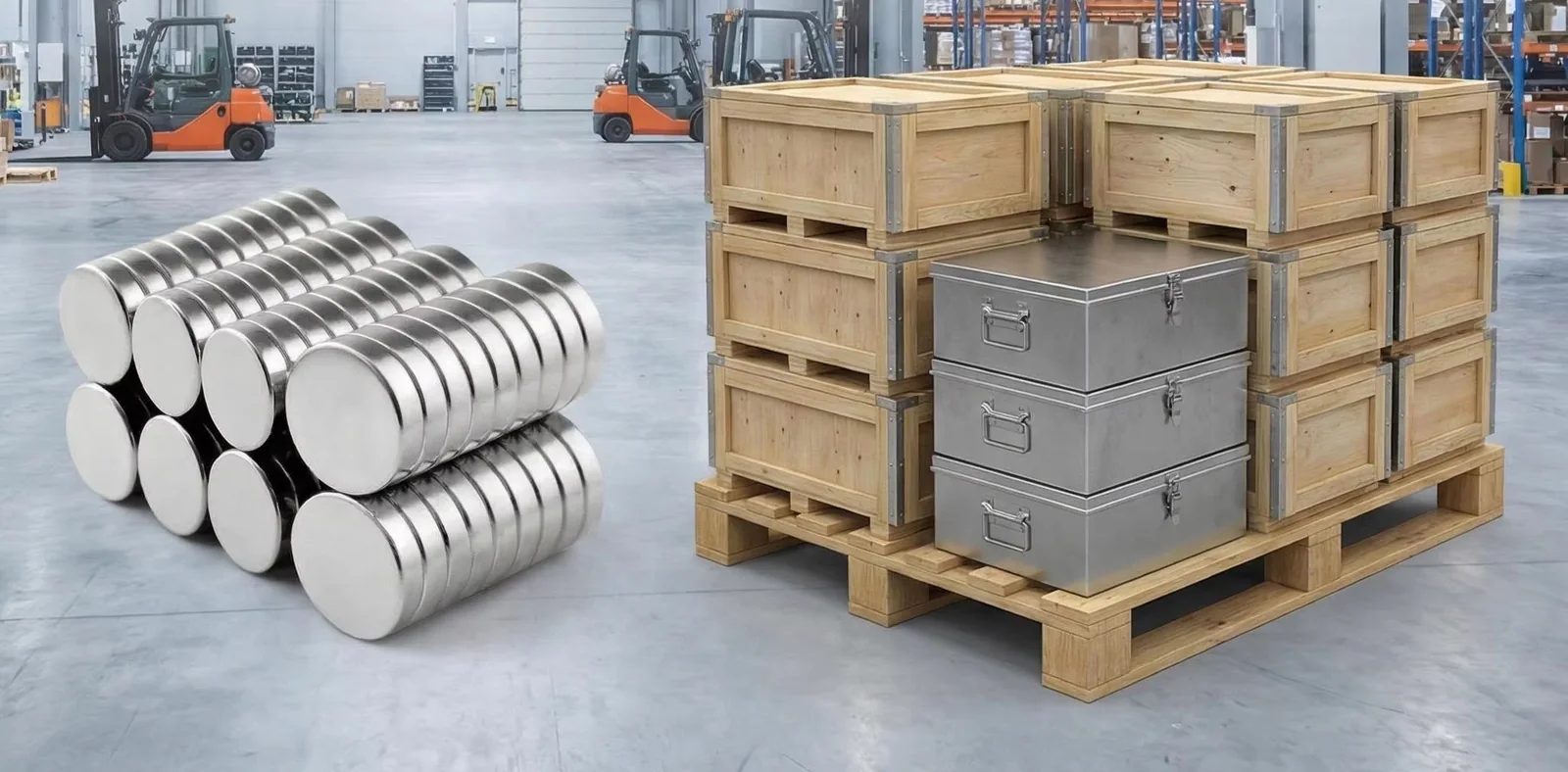
Production delivery
Packaging and handling are designed to protect brittle, coated, and magnetized parts in transit.
Start a project
Bring the application into the engineering conversation.
Send a drawing, target performance, operating conditions, quantity, and current design concern. We will help identify the most practical next review step.