



Permanent magnet product catalog
Browse by product form, then choose the material route.
The main catalog is organized by the physical product a buyer is sourcing. Material, coating, magnetization, machining, and application remain product attributes, so one component does not appear as several duplicate product families.
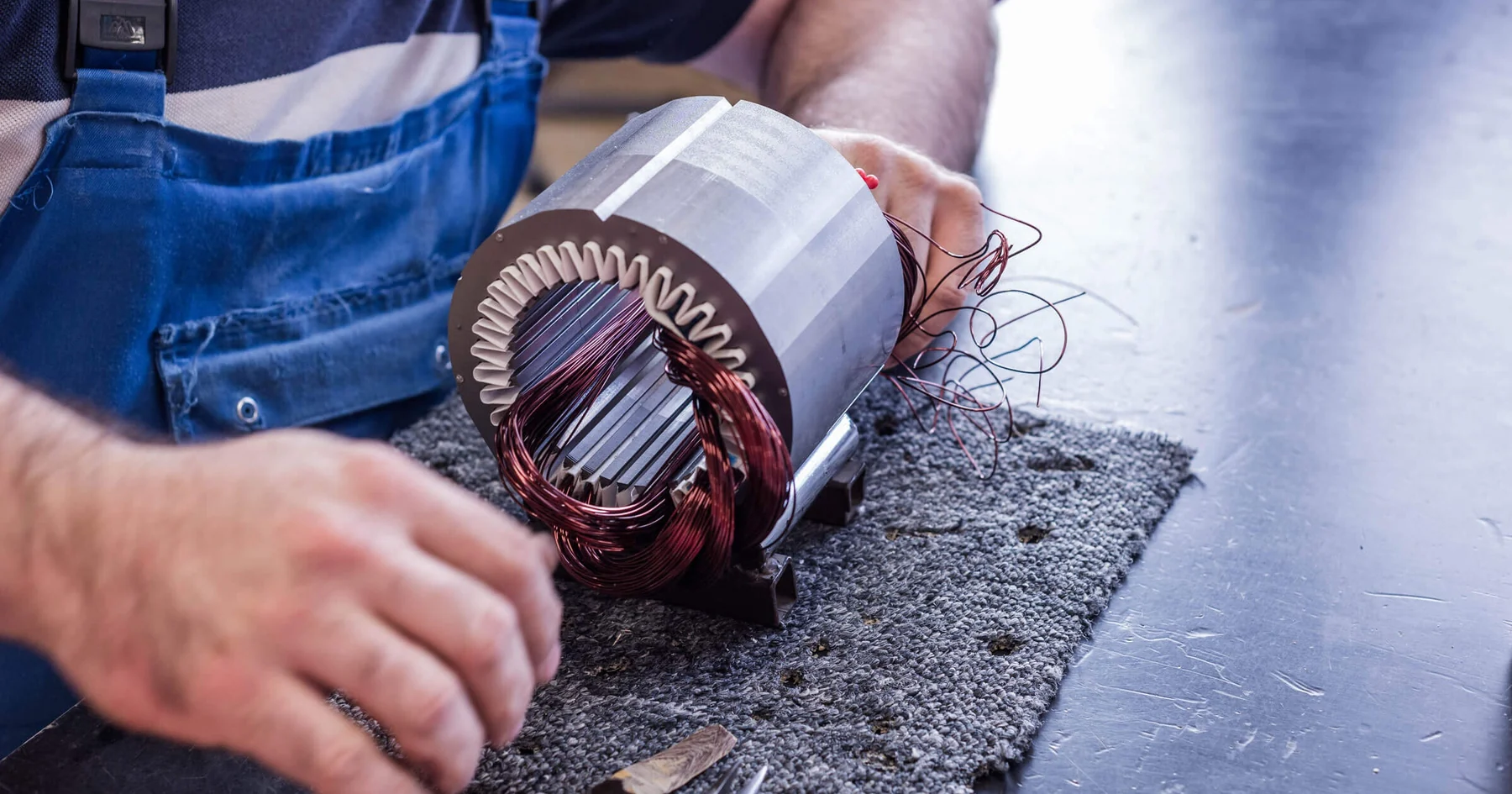
Start with the part on your drawing.
- Rectangular length, width, and thicknessBlock & Bar
- Round diameter and thickness or lengthDisc & Cylinder
- Outer diameter, inner diameter, and lengthRing
- Radius, arc angle, and segment relationshipArc & Segment
Product catalog by shape
Four primary product families with one clear home for each part.
These categories mirror the product language commonly used in industrial marketplace catalogs, but the public copy stays generic: no marketplace seller’s grade, tolerance, MOQ, price, lead time, or test result is presented as an Elite Magnets guarantee.
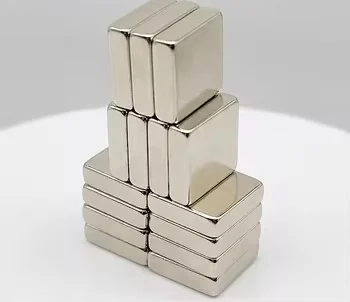
Block & Bar Magnets
Rectangular magnets specified by length, width, thickness, edge condition, coating, magnetization direction, and assembly interface.
Common materialsSintered NdFeB, sintered SmCo, or bonded rare-earth material where suitable
Common optionsBars, blocks, plates, chamfers, radiused edges, notches, holes, coatings, and orientation marks
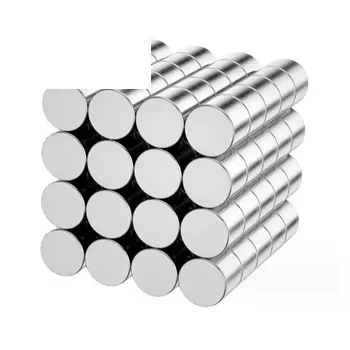
Disc & Cylinder Magnets
Round magnets organized around diameter, thickness or length, axial or diametrical magnetization, surface protection, and working distance.
Common materialsSintered NdFeB, sintered SmCo, or bonded rare-earth material where suitable
Common optionsThin discs, cylinders, rods, stepped forms, center holes, countersinks, coatings, and polarity marks
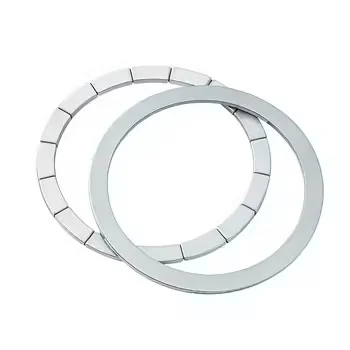
Ring Magnets
Circular magnets specified by outer diameter, inner diameter, length, wall thickness, pole direction, concentricity, and assembly state.
Common materialsSintered NdFeB, sintered SmCo, or bonded rare-earth material where suitable
Common optionsFlat rings, thick rings, sleeves, segmented rings, axial, diametrical, radial, or multipole patterns
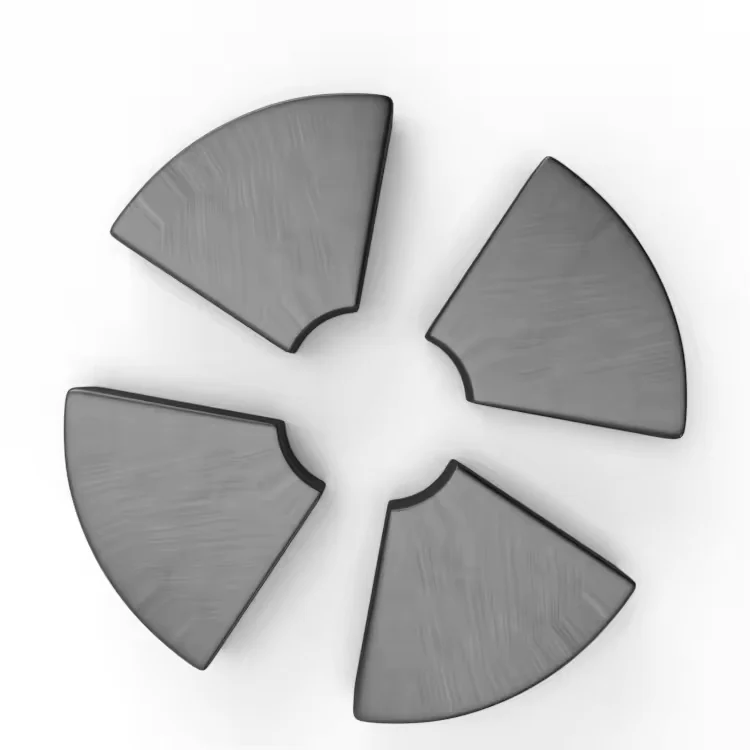
Arc & Segment Magnets
Curved magnets specified by inner and outer radius, arc angle, length, segment relationship, coating state, polarity, and retention interface.
Common materialsSintered NdFeB, sintered SmCo, or bonded rare-earth material where suitable
Common optionsArc segments, tiles, matched sets, coated parts, orientation marks, and assembly-ready packaging
Material selection guides
Use the existing material pages to choose a route, not to create duplicate products.
Sintered NdFeB, sintered SmCo, and bonded NdFeB remain important engineering guides. A block, disc, ring, or arc can use more than one route, so the material pages explain selection while the shape pages own the product catalog.
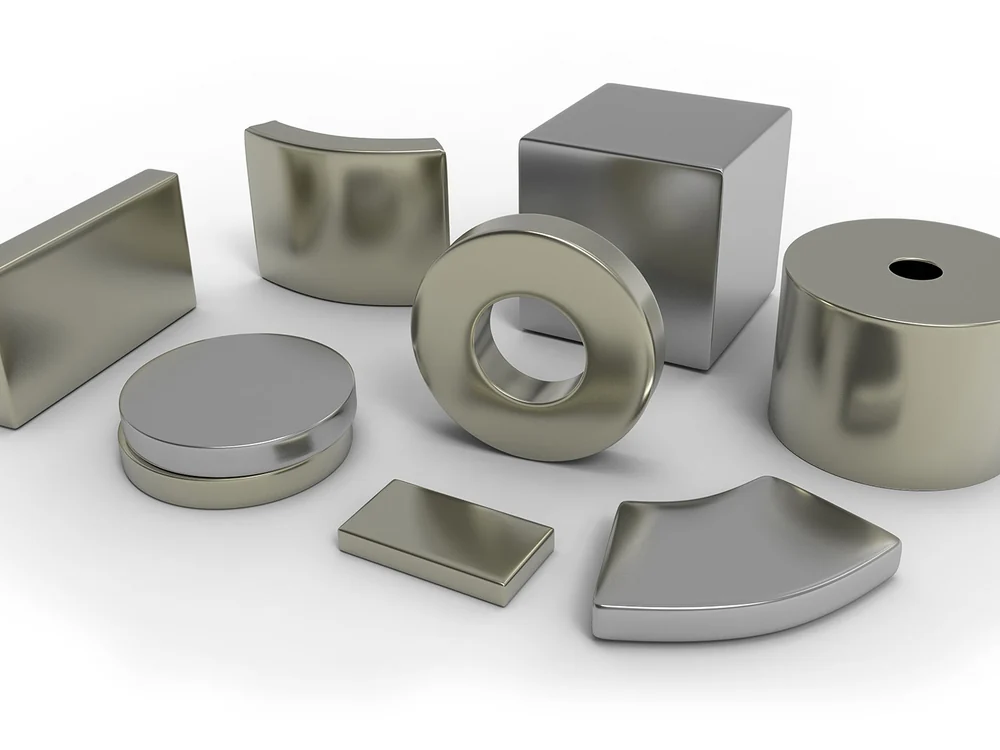
Sintered NdFeB Magnets
The first choice when a compact motor, sensor, rotor, or assembly needs exceptional magnetic output without growing larger.
Best fitCompact motors, encoders, sensors, holding systems, and rotor assemblies
What to balanceTemperature grade, corrosion exposure, coating thickness, brittle-part handling, and magnetization direction
Common formsBlocks, discs, cylinders, rings, arcs, segments, countersunk parts, and assemblies
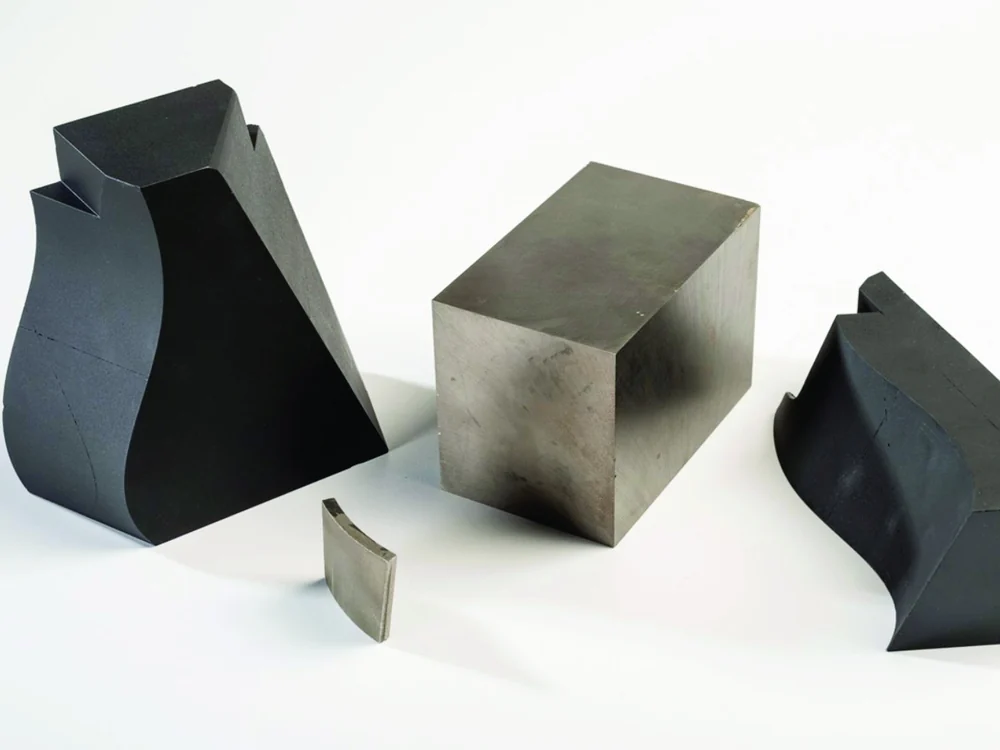
Sintered SmCo Magnets
Built for products that must hold their magnetic performance through heat, corrosion exposure, and long service cycles.
Best fitHigh-temperature motors, sensors, actuators, industrial equipment, and harsh-environment assemblies
What to balanceSmCo5 vs Sm2Co17 route, geometry limits, brittle edges, assembly pressure, and cost target
Common formsBlocks, discs, rings, rods, arcs, segments, and machined custom shapes
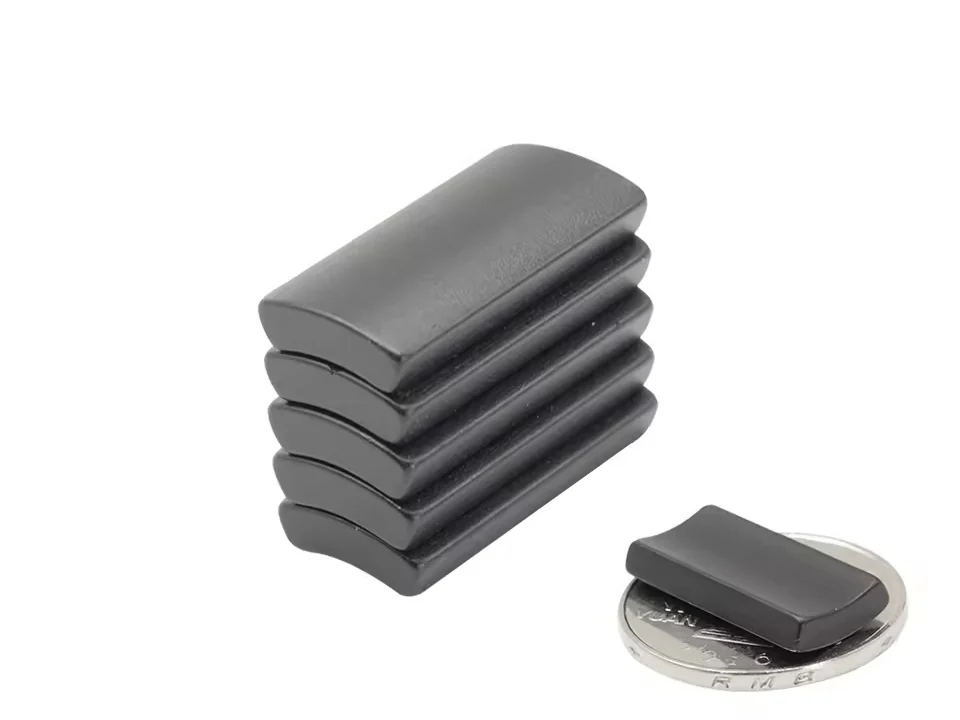
Bonded NdFeB Magnets
A shape-driven route for molded features, repeatable dimensions, integrated parts, and precise multipole patterns.
Best fitMultipole rings, small motor rotors, sensor magnets, thin-wall parts, inserts, and molded assemblies
What to balanceMagnetic output tradeoff, tooling route, wall thickness, annual volume, and fixture-dependent magnetization
Common formsMultipole rings, arcs, sleeves, rotors, inserts, molded components, and integrated assemblies
Selection matrix
Compare what changes the design.
| Decision factor | Sintered NdFeB | Sintered SmCo | Bonded NdFeB |
|---|---|---|---|
| Magnetic output | Highest compact output | Stable output under heat | Moderate output with shape freedom |
| Temperature path | Grade selection is critical | Primary reason to choose SmCo | Depends on resin and design route |
| Geometry freedom | Machined sintered shapes | Machined sintered shapes with handling limits | Best option for complex molded forms |
| Magnetization | Axial, diametrical, radial, multipole with fixtures | Axial, diametrical, radial, fixture-dependent | Strong fit for multipole patterns |
| What decides the route | Space, output, temperature, coating, magnetic direction | Temperature, environment, stability, geometry | Geometry, pole pattern, binder, tooling volume |
Engineering evidence
A generic catalog entry still has to become a controlled production part.

Precision machining

Drawing and DFM review
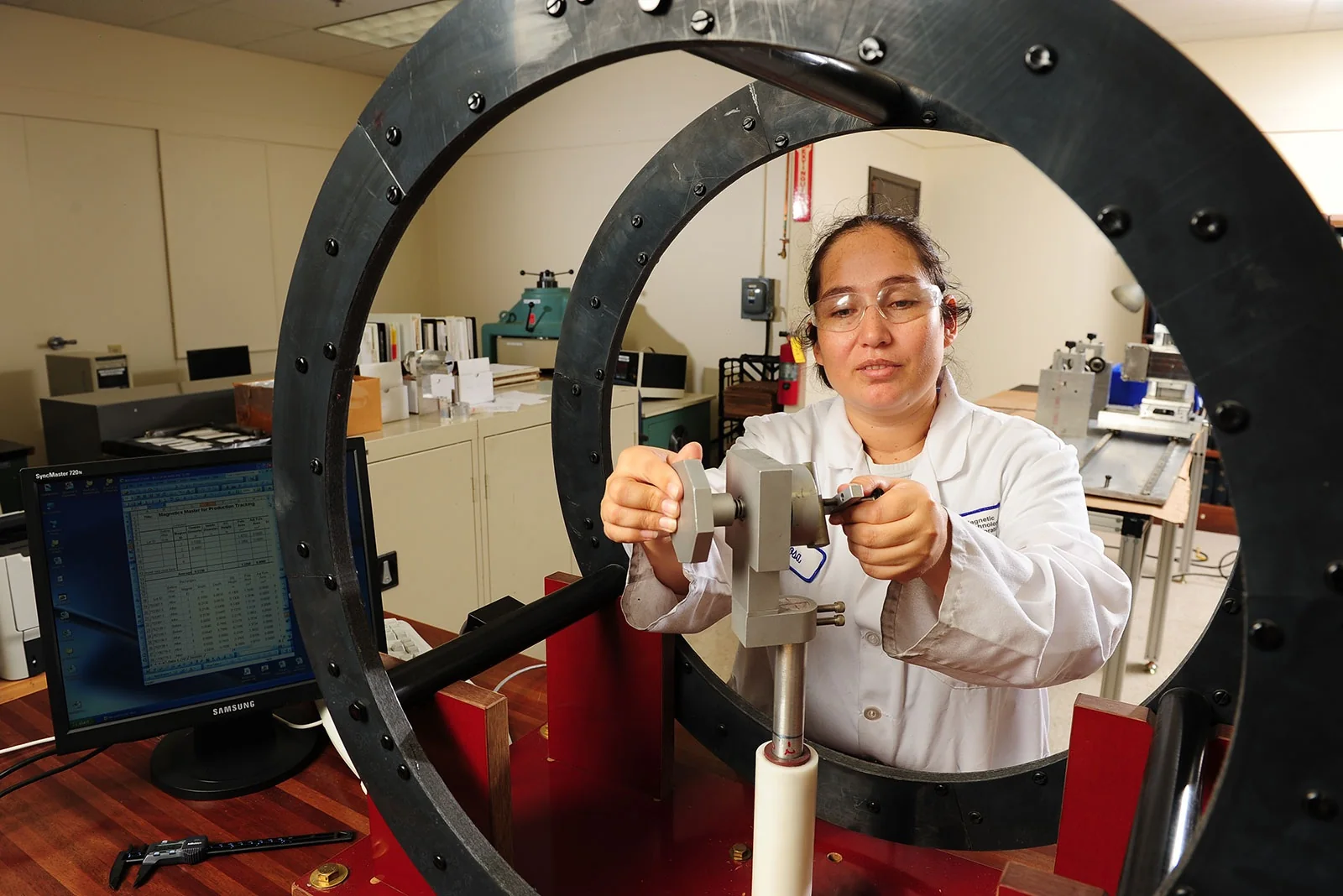
Magnetic verification
Shared custom options
Coating, assembly, and inspection remain attributes across every product family.
Coated magnets
Nickel, epoxy, zinc, and project-specific surface protection routes.
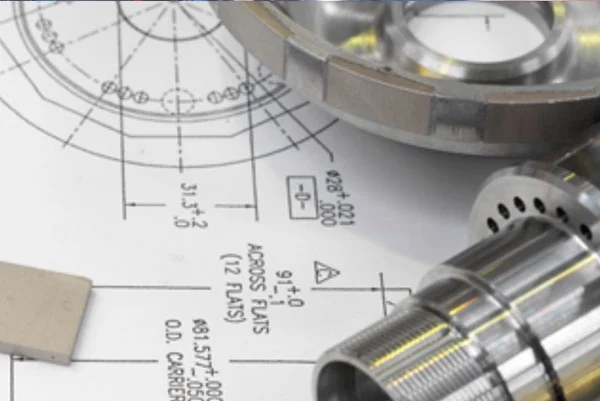
Assembly-ready parts
Bonding, sleeves, housings, shafts, and package-ready components.
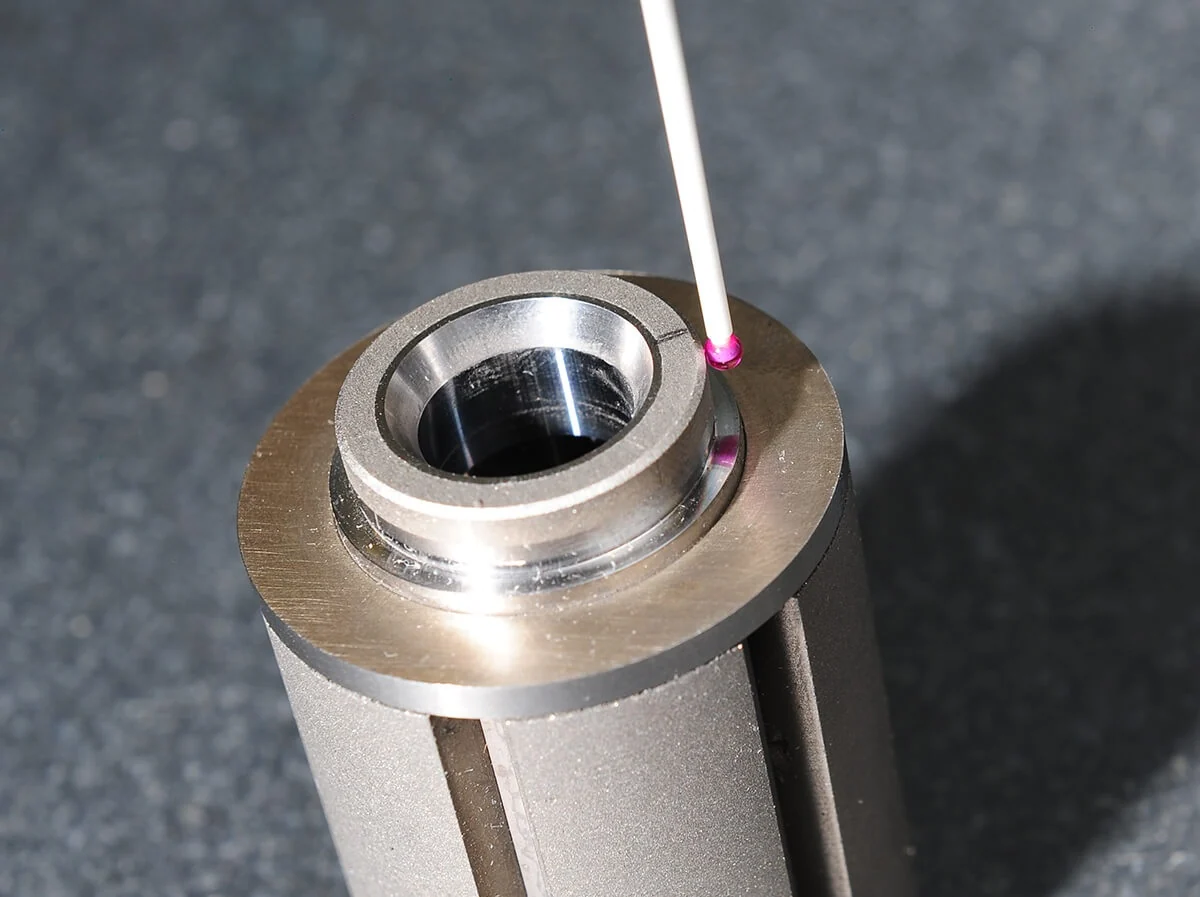
Inspection planning
Dimensional, magnetic, coating, documentation, and packaging checks.
Start the conversation
You do not need every answer to begin.
A drawing, sketch, existing part, or short description of the product goal is enough to open a useful technical conversation.
- 2D drawing, 3D model, or dimensions with tolerance
- Material grade target, temperature range, and magnetic direction
- Coating, corrosion exposure, bonding, housing, or sleeve requirements
- Magnetization pattern, inspection target, prototype quantity, and annual volume
Still deciding between materials?
Tell us what the product must achieve and where the current design is constrained. We can help narrow the most promising direction.