



Block and bar magnets for compact magnetic circuits.
A general rectangular product family covering blocks, bars, plates, and drawing-defined variants across rare-earth material, coating, magnetization, machining, and assembly options.
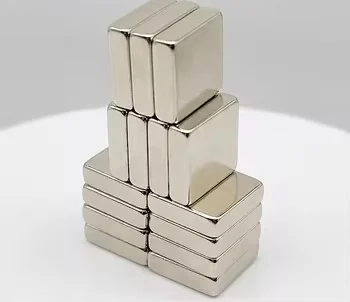
Product familyRectangular blocks, bars, plates, and drawing-defined variants
Common materialsSintered NdFeB, sintered SmCo, or bonded rare-earth material where suitable
Common custom optionsDimensions, edges, holes, coating, magnetization, marking, and packaging
Typical usesHolding, sensing, actuation, fixtures, couplings, and compact assemblies
Product
The rectangular form is the product; material and process are its attributes.
Industrial marketplace listings commonly describe block magnets through dimensions, grade, coating, magnetization, and application. This page uses the same practical buying language without copying a seller specification. Feasibility, tolerances, magnetic output, and delivery condition are confirmed from the actual drawing and working environment.
Review custom machining, coating, magnetization, and inspection capabilities
Direct length-width-thickness definition
Broad coating and magnetization choices
Easy integration into flat or linear interfaces
Common sourcing situations
- The drawing is primarily defined by rectangular length, width, and thickness.
- A flat magnetic face is needed for holding, sensing, motion, or assembly.
- Chamfers, radiused edges, holes, notches, or orientation marks may be required.
- Material and coating can be selected after output, temperature, and exposure are known.
Details to confirm before production
- Brittle edges and corners need realistic handling and edge-condition requirements.
- Coating build can affect finished dimensions, bonding, and fit.
- Magnetization through thickness, length, or width produces different assembly behavior.
- Attraction force or field must be defined at the real gap and mating condition.
Specification
Specify the finished block, not only a nominal size.
A useful block or bar specification combines finished dimensions, datum surfaces, edge condition, material route, coating, magnetic direction, assembly interface, and acceptance method. Common catalog language is a starting point; the released drawing remains the production definition.
Common information used to define a block or bar magnet.
| Geometry | Length, width, thickness, flatness-sensitive faces, chamfers, radii, holes, slots, notches, and datums. |
|---|---|
| Material route | NdFeB, SmCo, or bonded rare-earth route selected by output, temperature, environment, geometry, and cost. |
| Magnetization | Through thickness, through length, through width, multipole, polarity mark, and magnetized or unmagnetized delivery. |
| Surface and assembly | Nickel, epoxy, zinc, or reviewed coating; bonding, press fit, housing, cleanliness, and protected edges. |
| Inspection and packaging | Finished dimensions, coating state, polarity, magnetic check, matched sets, spacers, orientation, and safe handling. |
Technical Data
Generic block and bar product reference.
The fields below reflect common product-listing options. They organize a sourcing conversation but do not promise stock sizes, grades, tolerances, output, or delivery terms.
| Specification field | Common catalog options | Confirm for production |
|---|---|---|
| Dimensions | Length × width × thickness; square or rectangular proportions | Finished dimensions, tolerances, datums, and coated state |
| Material | NdFeB, SmCo, or bonded rare-earth route | Grade, operating temperature, load line, and environment |
| Surface | Nickel, epoxy, zinc, passivation, or application-reviewed protection | Exposure, coating build, adhesion, and edge coverage |
| Magnetization | Thickness, length, width, multipole, or drawing-defined direction | Polarity, physical reference, delivery state, and test position |
| Features | Chamfers, radii, holes, countersinks, slots, notches, or marking | Machining feasibility, brittle-edge risk, and functional tolerances |
| Supply condition | Individual parts, matched sets, orientation-packed, or assembly-ready | Quantity, packaging, marking, cleanliness, and acceptance documents |
This is generic catalog information. Final capability and acceptance are confirmed after drawing, material, magnetic, coating, and application review.
Common catalog variants
Common block variants remain part of one rectangular product family.

Blocks and plates
Square or rectangular components defined by finished length, width, and thickness.

Bars and long rectangles
Extended rectangular forms used in linear magnetic paths, fixtures, sensors, and assemblies.

Machined and featured blocks
Rectangular parts with reviewed chamfers, radii, holes, slots, notches, or identification features.
Application examples
Common applications for rectangular magnetic components.

Holding and fixtures
Flat magnetic faces for clamping, positioning, latching, separation, and industrial tooling.
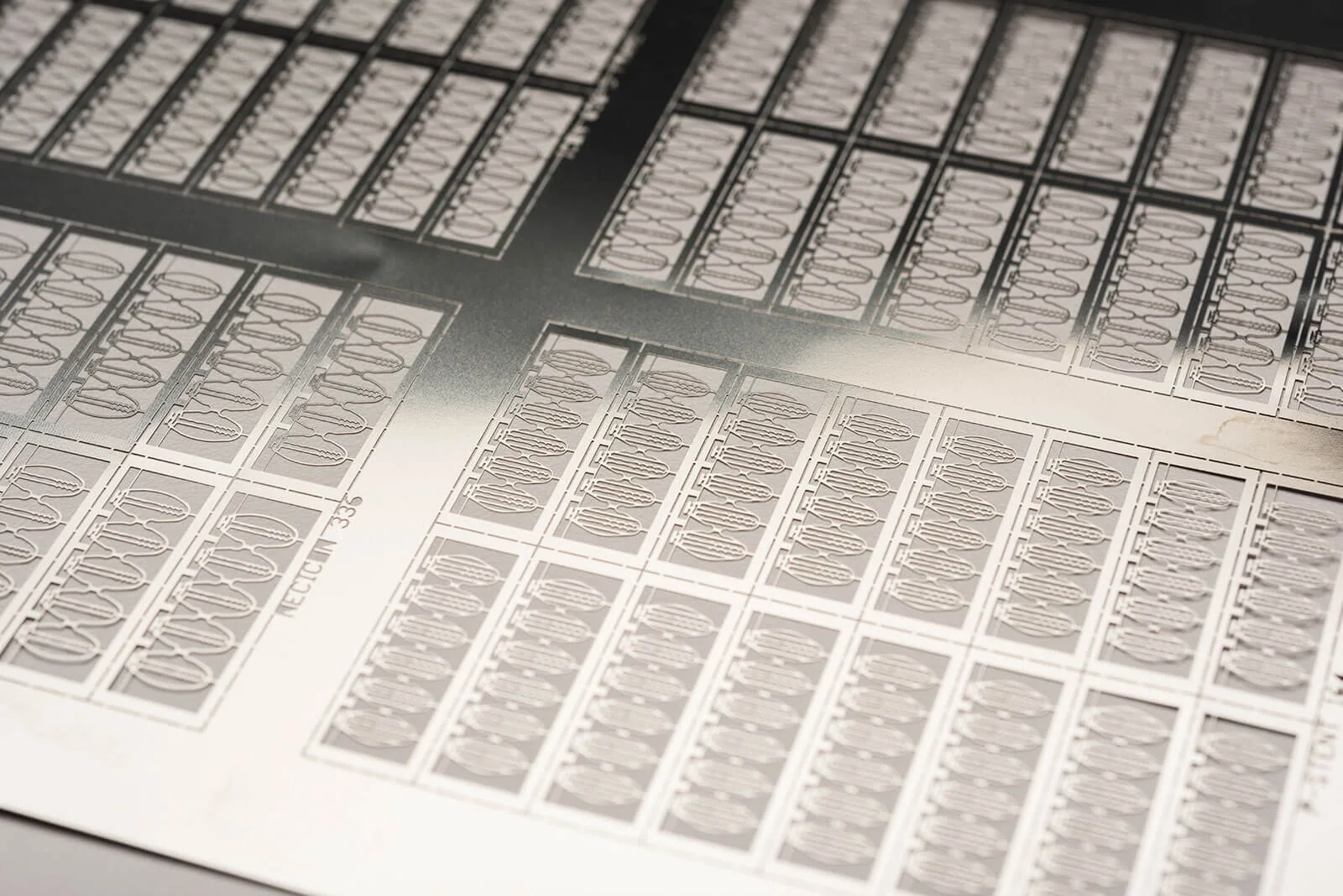
Sensors and compact devices
Small rectangular targets used where package geometry and pole direction control the working field.

Actuators and assemblies
Blocks and bars integrated into linear motion, couplings, housings, and drawing-defined magnetic circuits.
Engineering guides
Use the same engineering checks across every product family.
Material, coating, magnetization, tolerances, and inspection remain product attributes. Confirm them against the drawing and application instead of creating another duplicate product category.
Neodymium Magnet Coating Types
Select surface protection by exposure, dimensions, bonding, handling, and inspection.
Read the guideAxial vs Diametrical Magnetization
Translate the required field direction into a physical drawing reference.
Read the guidePermanent Magnet Dimensional Tolerances
Define realistic dimensions, datums, coated state, and inspection methods.
Read the guideRelated product routes