Sintered SmCo magnets for temperature stability and harsh environments.
Samarium cobalt is the route to consider when elevated temperature, corrosion resistance, and magnetic stability matter more than maximum energy density. It is a technical product path for demanding operating conditions.
MaterialSamarium cobalt, SmCo5 or Sm2Co17
ProcessSintered rare earth magnet
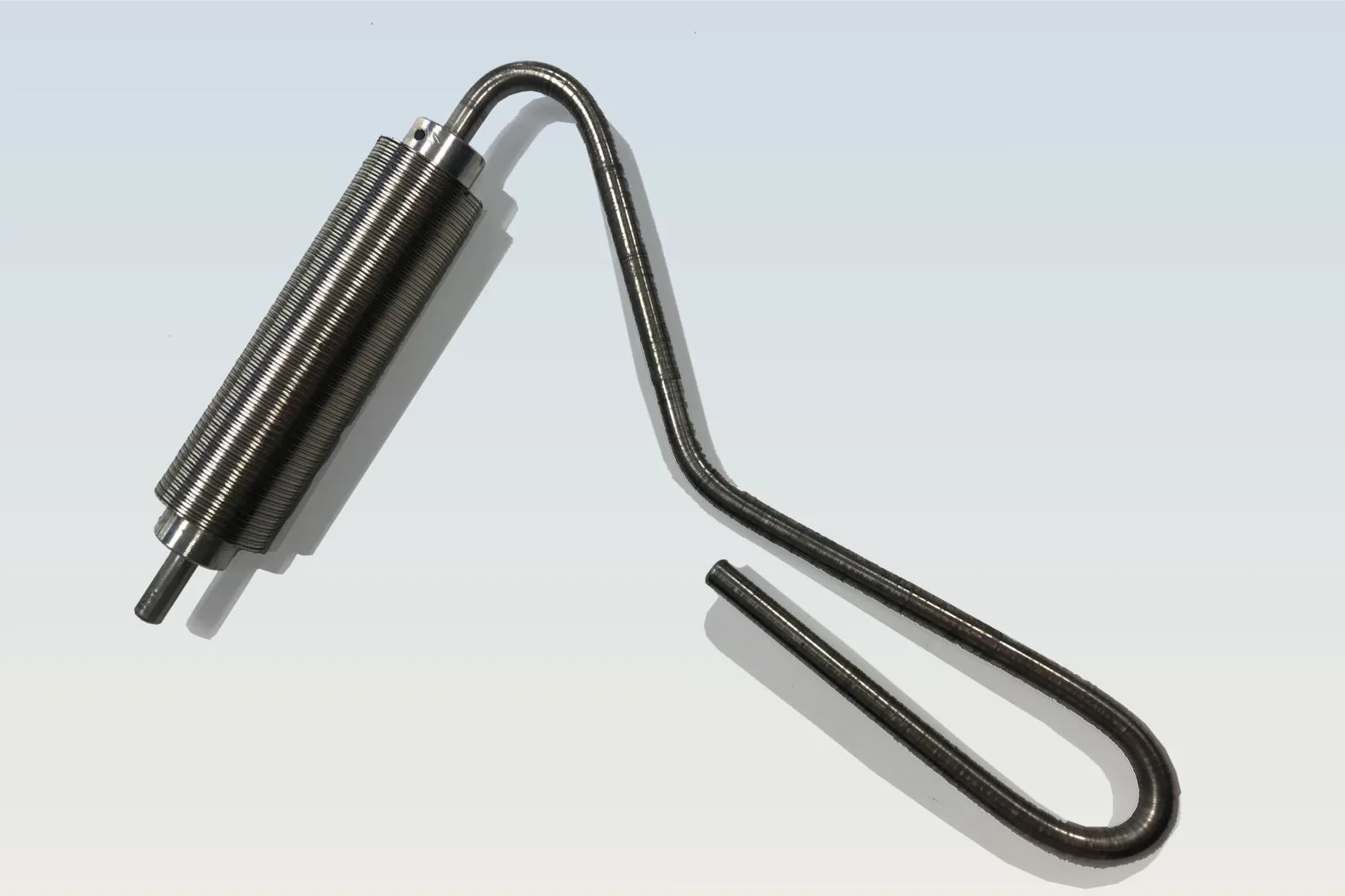
ShapesBlocks, discs, rods, rings, arcs, segments
Main reasonTemperature stability and corrosion resistance
Product
Stable magnetic output for heat, corrosion, and long service life.
Sintered SmCo is selected when the environment is too demanding for a standard NdFeB route or when coating thickness would disturb the air gap. It is often the better engineering answer for high-temperature motors, sensors, actuators, and industrial equipment.
Excellent temperature stability
Strong corrosion resistance
Reliable output over long service cycles
Use this route when
- The magnet must operate at higher temperature than a standard NdFeB route can support.
- Corrosion exposure or coating avoidance is a meaningful design factor.
- The assembly needs stable output in motors, sensors, actuators, or industrial equipment.
- The part geometry can account for brittle material handling and edge protection.
Review before choosing
- SmCo can be brittle and needs careful mechanical handling.
- Magnetization may require stronger fields and should be confirmed early.
- SmCo is usually selected for stability, not lowest material cost.
- Geometry, assembly pressure, and inspection method should be validated before sampling.
Specification
High stability with brittle-part and magnetization requirements.
SmCo grade selection starts with the operating temperature and the required magnetic stability. SmCo5 and Sm2Co17 routes support different output and temperature profiles, while geometry, edge protection, and stronger magnetizing fields should be planned early.
Specification should start from temperature, environment, and stability target.
| Material system | Sintered SmCo; SmCo5 or Sm2Co17 selected by output, temperature, and geometry. |
|---|---|
| Typical forms | Blocks, discs, rods, rings, arcs, segments, and custom machined shapes. |
| Surface protection | Often used without coating, but exposure, cleanliness, and assembly handling still need review. |
| Magnetization | Axial, diametrical, radial, or fixture-dependent direction depending on the design. |
| Engineering risk | Brittle edges, higher magnetizing field, cost target, and mechanical stress during assembly. |
Technical Data
Sintered SmCo grade reference bands.
The table frames the choice between SmCo5 and Sm2Co17 routes. The selected grade specification becomes the production control reference for the final part.
| Grade / Route | Br (T) | Hcj (kA/m) | BHmax (kJ/m³) | Max temp. (°C) | Density (g/cm³) |
|---|---|---|---|---|---|
| SmCo5 16 | 0.80-0.90 T | >=1200 kA/m | 120-145 kJ/m3 | 250 C | 8.3 g/cm3 |
| Sm2Co17 24 | 1.00-1.08 T | >=1200 kA/m | 175-199 kJ/m3 | 300 C | 8.3 g/cm3 |
| Sm2Co17 28 | 1.05-1.12 T | >=1200 kA/m | 205-223 kJ/m3 | 300 C | 8.3 g/cm3 |
| Sm2Co17 28H | 1.03-1.10 T | >=1990 kA/m | 205-223 kJ/m3 | 350 C | 8.3 g/cm3 |
Use SmCo when thermal stability and environment risk justify the material route.
Forms and manufacturing scope
SmCo forms should be chosen for stability and assembly handling.
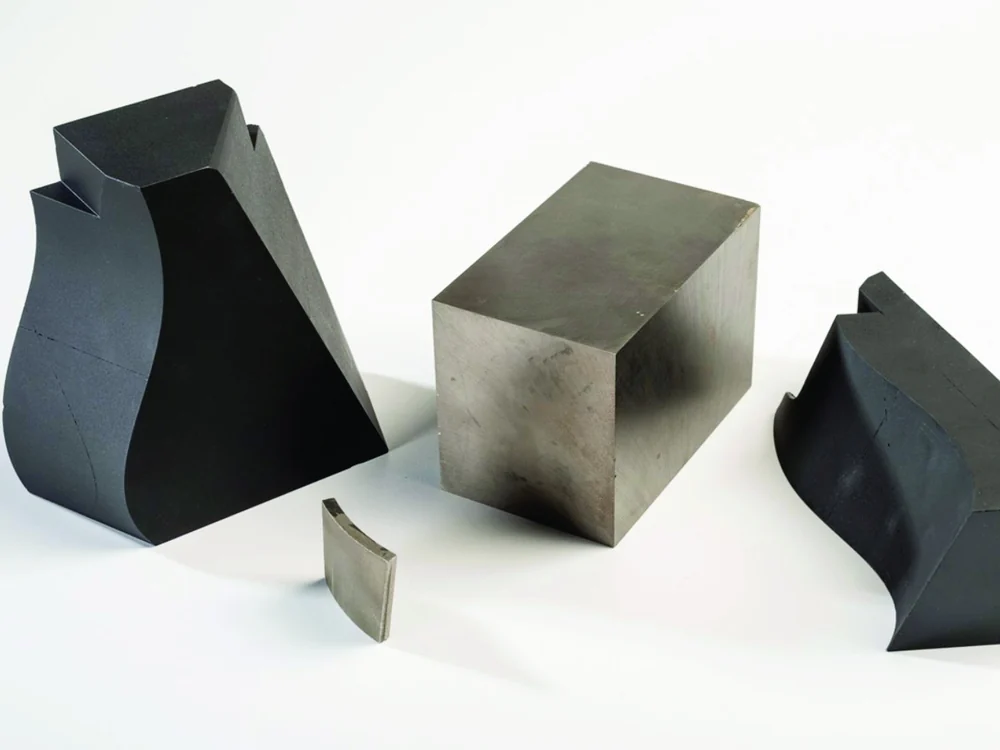
Blocks and plates
For high-temperature sensors, actuators, industrial assemblies, and compact fields.
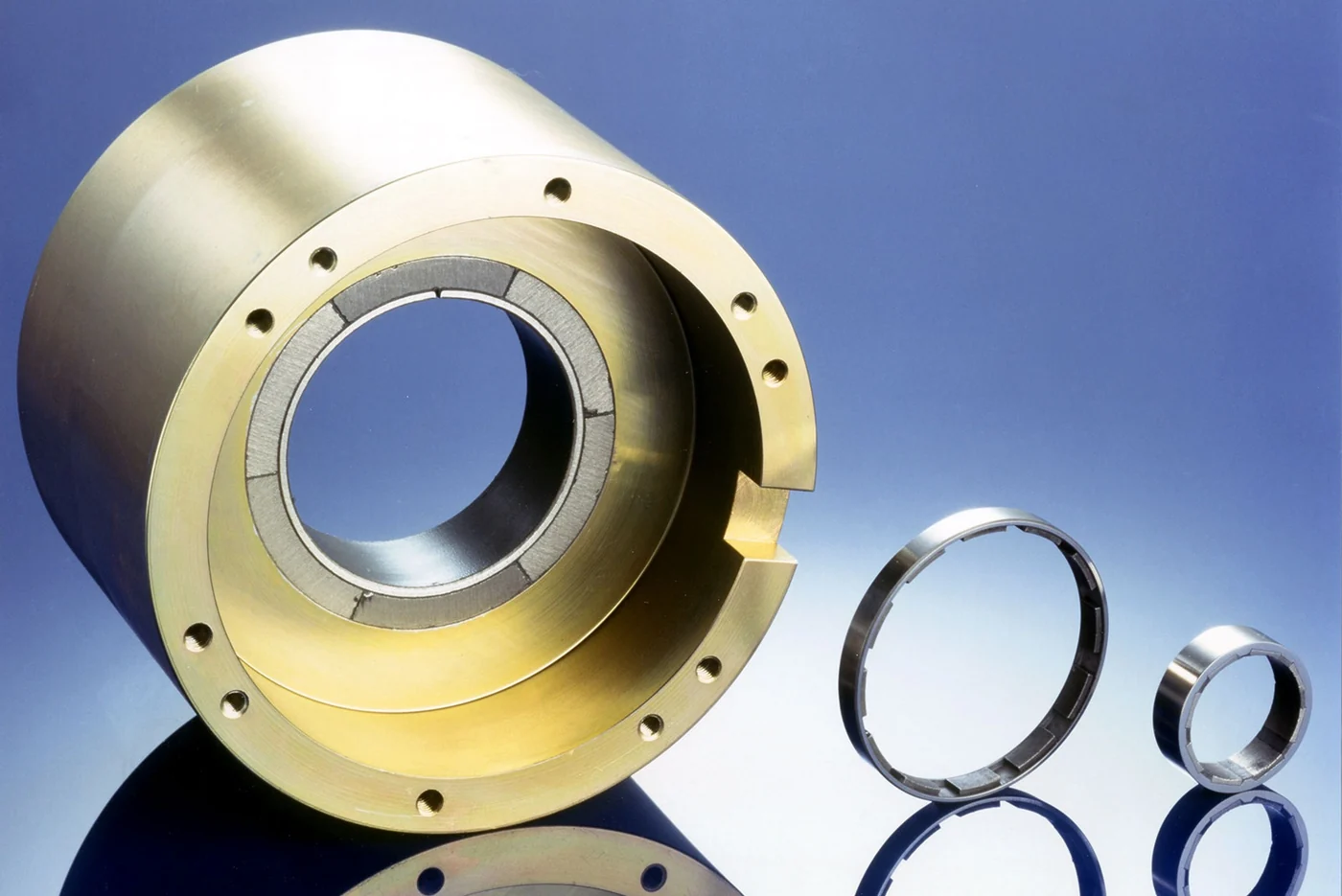
Rings
For coaxial assemblies, high-temperature motors, pumps, and encoders.
Uncoated routes
For applications where coating thickness or corrosion risk changes air gap performance.
Application examples
Typical SmCo applications start where temperature or environment rules the decision.

High-temperature motors
Rotor and segment magnets where output must remain stable under heat.
Industrial sensors
Position and speed sensing where magnetic drift needs to be controlled.
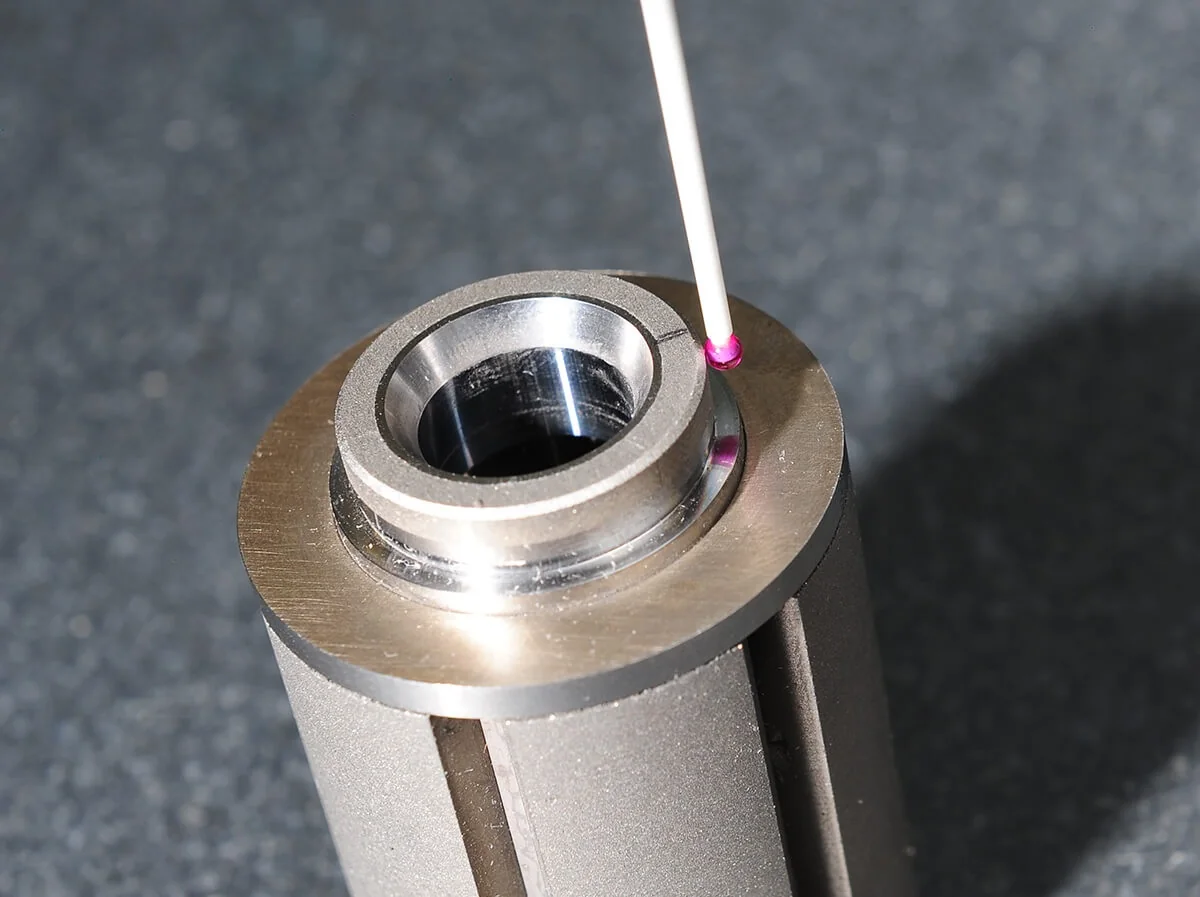
Actuators and equipment
Components exposed to heat, corrosion risk, or long service requirements.
Related product routes