Application engineering
Magnetic solutions organized around how the product must perform.
Different applications place different demands on field strength, stability, geometry, pole pattern, corrosion protection, assembly, and documentation. Start with the working environment, then choose the material and production route.

MotionTorque density, rotor retention, balance, and thermal margin
SensingField repeatability, pole position, air gap, and calibration
IndustrialEnvironment, duty cycle, service life, and supply continuity
Overview
Select by the system constraint, not by magnet grade alone.
A grade name does not describe the full working part. The best route depends on what the magnet must do inside the assembly and which failure modes the design must prevent.
01
Motors and drives
Arc segments, rotor magnets, sleeves, bonded rings, and assemblies for compact torque and controlled high-speed operation.
02
Sensors and encoders
Defined pole patterns, stable air gaps, repeatable field maps, and dimensional control for position and speed feedback.
03
Automation and robotics
Custom shapes and assemblies for actuators, grippers, couplings, linear systems, and motion-control equipment.
04
Energy and thermal systems
Material routes reviewed for temperature, corrosion, duty cycle, compact packaging, and long operating life.
05
Medical and precision devices
Clean handling, controlled surfaces, stable magnetic behavior, documentation, and application-specific inspection.
06
Special industrial equipment
Engineered magnets for pumps, separators, instrumentation, holding systems, and harsh-environment assemblies.
Application environments
The operating environment changes the material, assembly, and validation route.
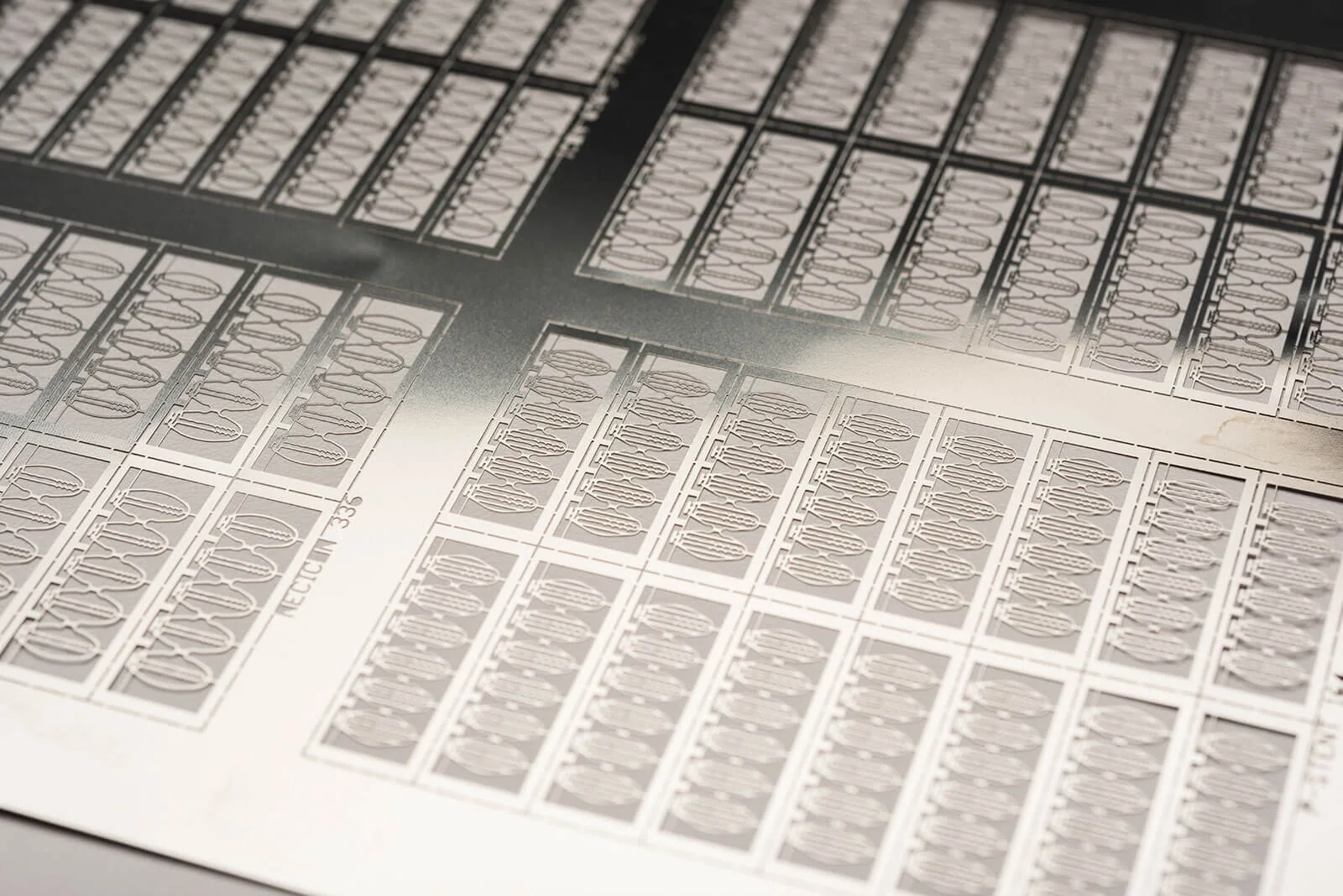
Medical and precision devices
Stable performance, surface control, cleanliness, and documentation shape the route.

Industrial automation
Duty cycle, environmental exposure, installation method, and repeat supply guide the design.
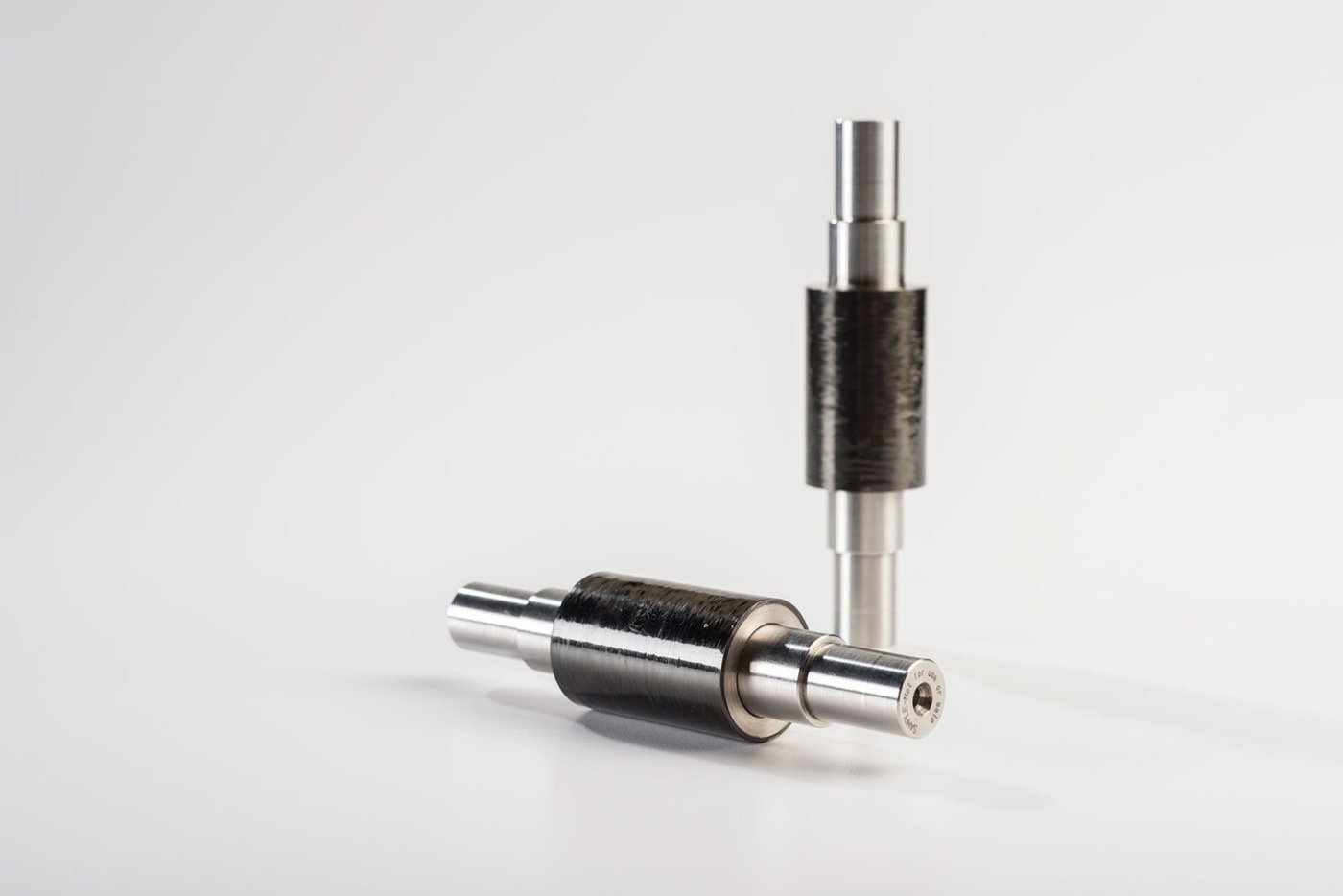
Advanced mobility
Thermal margin, retention, balance, and controlled magnetic output must be developed together.
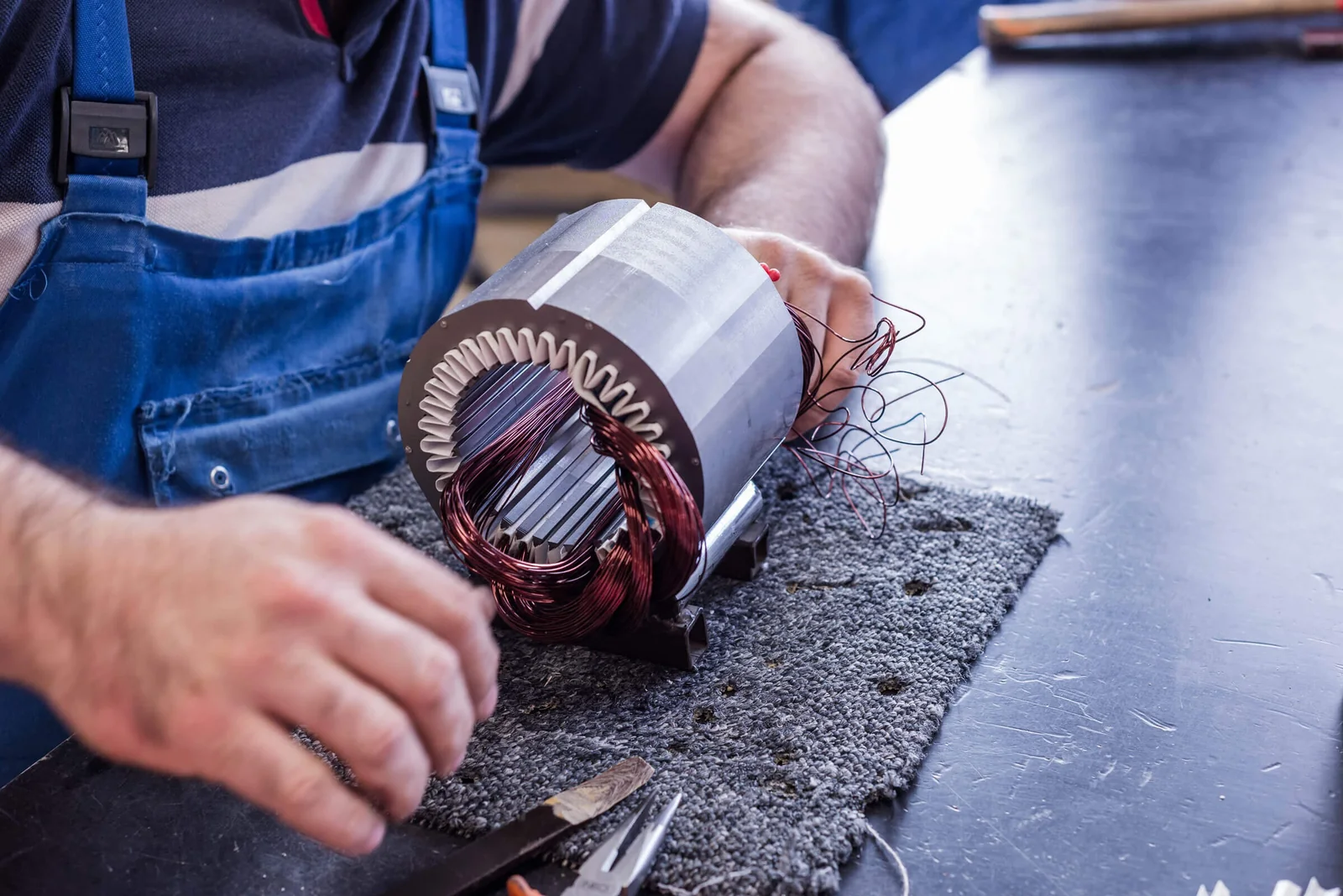
Motor and motion systems
Rotating applications require the magnet, rotor, adhesive, sleeve, and process to be reviewed as one system.
Torque is only one part of the decision. Temperature, demagnetization margin, segment geometry, retention, balance, coating, assembly gap, magnetization, and inspection all influence reliable production.
- Speed, torque, field, and temperature targets
- Rotor geometry and mechanical retention
- Segment tolerances and adhesive gap
- Magnetization state before or after assembly
- Balance, field mapping, and production validation
Working process
A practical application review starts with five engineering questions.
These inputs quickly narrow the possible material and manufacturing routes.
What must the field do?
Define holding force, torque, sensing distance, field profile, or magnetic circuit target.
What environment will it see?
Share operating temperature, corrosion, fluids, vacuum, cleanliness, shock, and duty cycle.
How is the part integrated?
Describe housing, shaft, adhesive, press fit, overmolding, sleeve, or final assembly sequence.
What must be measured?
Agree dimensional, magnetic, coating, visual, balance, and documentation requirements.
How will demand scale?
Separate prototype learning from tooling, capacity, packaging, and repeat-order needs.
Start a project
Describe the system before choosing the magnet.
Share the application, available space, target field or force, temperature, environment, assembly method, and annual demand for an application-led review.