Bonded NdFeB magnets for complex shapes and multipole designs.
Bonded NdFeB combines rare earth magnetic material with a binder system, enabling molded or compressed geometries, tight dimensional repeatability, inserts, and magnetization patterns that are difficult with simple sintered parts.
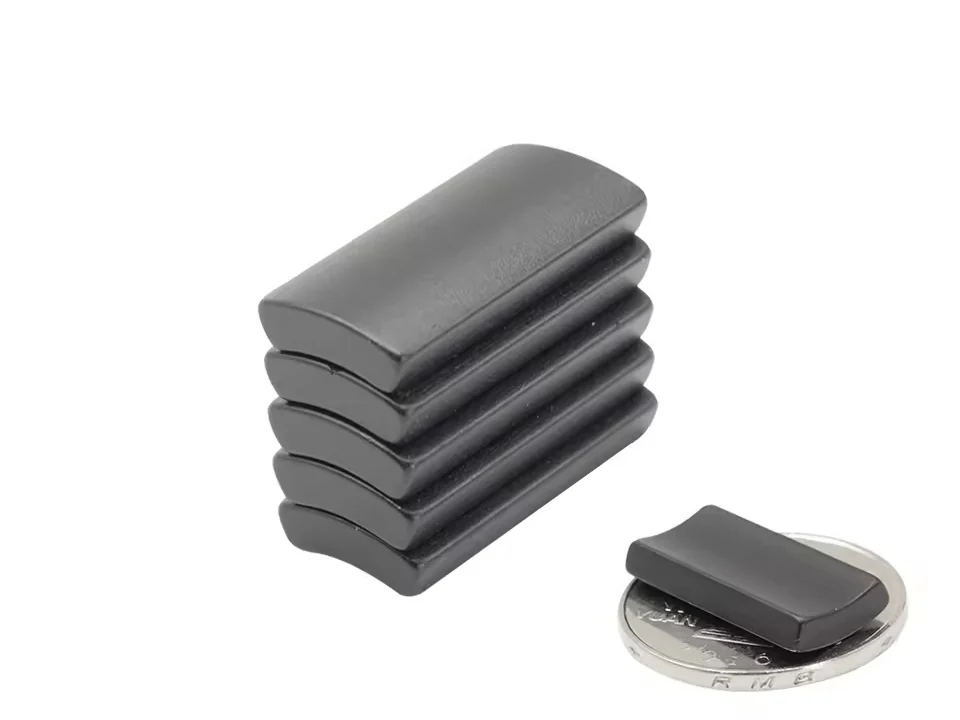
MaterialNdFeB powder with polymer binder
ProcessInjection molded or compression bonded
ShapesRings, rotors, arcs, inserts, molded forms
Main reasonShape variety, tolerance, and multipole patterns
Product
Shape freedom, integrated features, and controlled pole patterns.
Bonded NdFeB is the route for molded or compressed geometries where sintered machining would be difficult, wasteful, or unable to deliver the required multipole pattern. Tooling, binder, wall thickness, and magnetization fixture should be reviewed as one specification.
High freedom for molded forms
Multipole and radial magnetization options
Repeatable dimensions for production programs
Use this route when
- The part needs complex geometry, thin walls, inserts, or molded features.
- The magnetic pattern is multipole, radial, or fixture-dependent.
- Dimensional repeatability matters more than maximum energy product.
- Production volume can justify tooling and process route review.
Review before choosing
- Magnetic output is usually lower than sintered NdFeB and must be checked against the target.
- Injection vs compression route changes tolerance, tooling, and magnetic properties.
- Binder material affects temperature, chemical resistance, and mechanical behavior.
- Magnetization coils and fixture design should be planned before launch.
Specification
Complex geometry with a deliberate output tradeoff.
Bonded NdFeB usually delivers lower magnetic output than sintered NdFeB, but it can reduce assembly steps and enable features such as thin walls, inserts, sleeves, and pole patterns. The correct route depends on injection molding, compression bonding, binder system, and expected volume.
Specification should define geometry, binder route, and magnetization pattern together.
| Material system | Bonded NdFeB; magnetic powder plus polymer binder selected by process and application. |
|---|---|
| Typical forms | Multipole rings, rotors, arcs, sleeves, thin-wall parts, inserts, and molded assemblies. |
| Process route | Injection molding for shape freedom; compression bonding for higher magnetic loading where suitable. |
| Magnetization | Multipole, radial, axial, or custom fixture-dependent patterns. |
| Engineering risk | Magnetic output tradeoff, tooling cost, wall thickness, binder limits, and annual volume. |
Technical Data
Bonded NdFeB material reference bands.
These ranges help compare process routes. Final performance depends strongly on powder loading, binder, part geometry, and magnetization pattern.
| Grade / Route | Br (T) | Hcj (kA/m) | BHmax (kJ/m³) | Max temp. (°C) | Density (g/cm³) |
|---|---|---|---|---|---|
| Injection molded PA | 0.35-0.55 T | 500-750 kA/m | 20-55 kJ/m3 | 100 C | 3.8-5.0 g/cm3 |
| Injection molded PPS | 0.35-0.52 T | 500-720 kA/m | 20-50 kJ/m3 | 150 C | 3.8-5.0 g/cm3 |
| Compression bonded N8 | 0.55-0.62 T | 600-800 kA/m | 50-65 kJ/m3 | 120 C | 5.5-6.0 g/cm3 |
| Compression bonded N10 | 0.60-0.68 T | 650-850 kA/m | 65-80 kJ/m3 | 120 C | 5.5-6.0 g/cm3 |
Bonded projects should confirm pole pattern, tooling economics, and annual volume before sampling.
Forms and manufacturing scope
Bonded forms should be planned with tooling and pole pattern in mind.
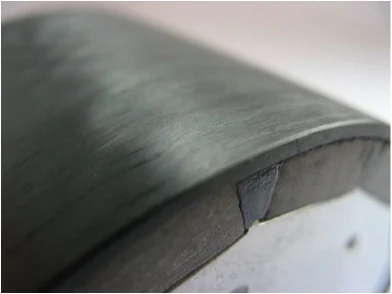
Rotors and sleeves
For small motors, pump systems, and rotating magnetic assemblies.
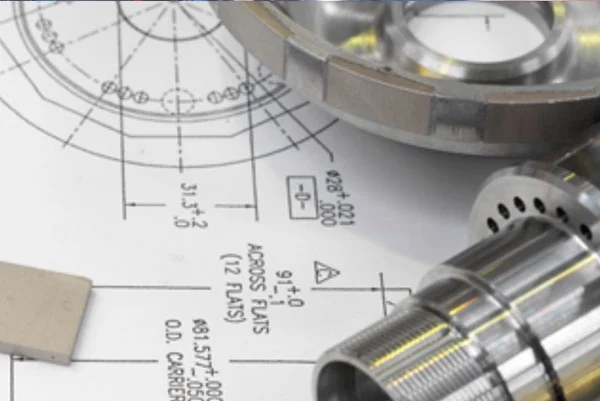
Assembly-ready parts
For components supplied with geometry, magnetization, and handling controls aligned.
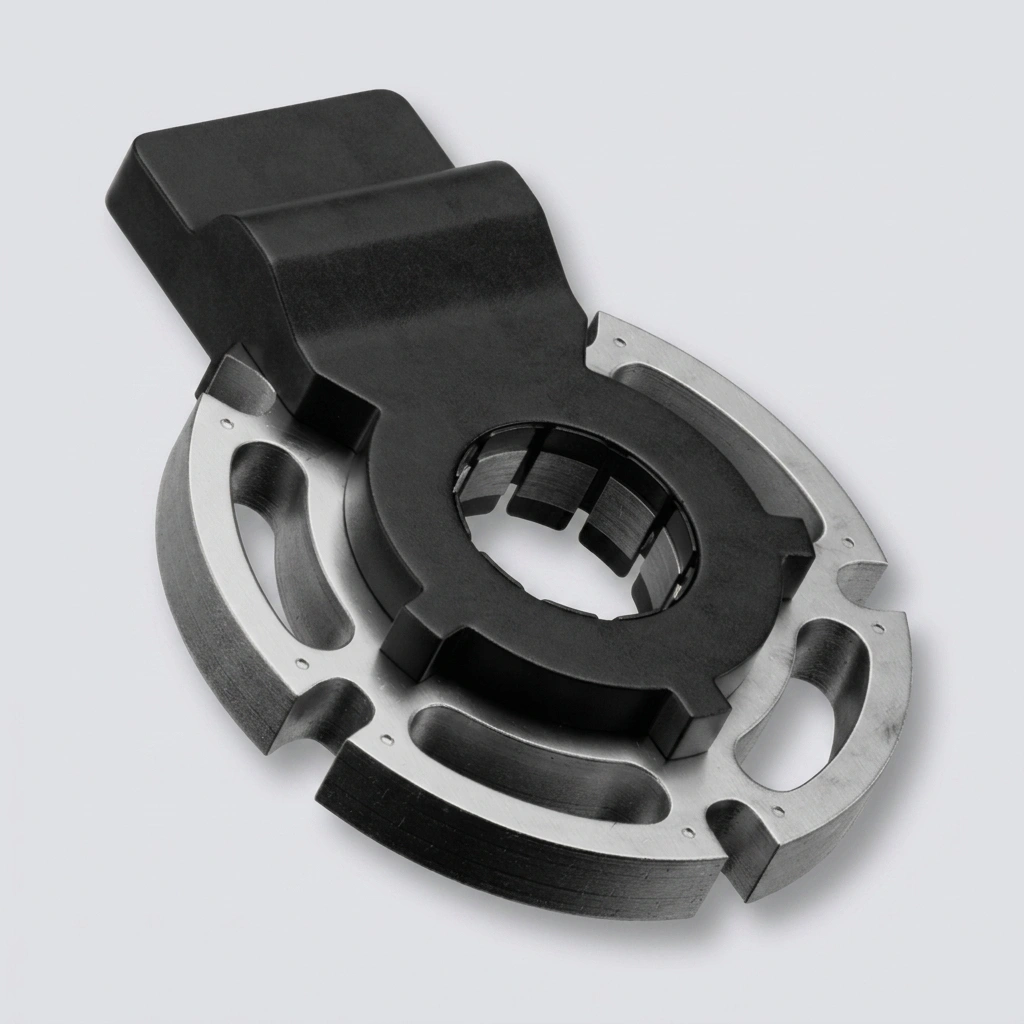
Integrated rotor systems
For molded magnetic elements developed around shafts, housings, pole patterns, and downstream assembly.
Application examples
Typical bonded NdFeB applications rely on geometry and pole control.

Small motors
Rotors, rings, and multipole parts where shape and magnetization are linked.
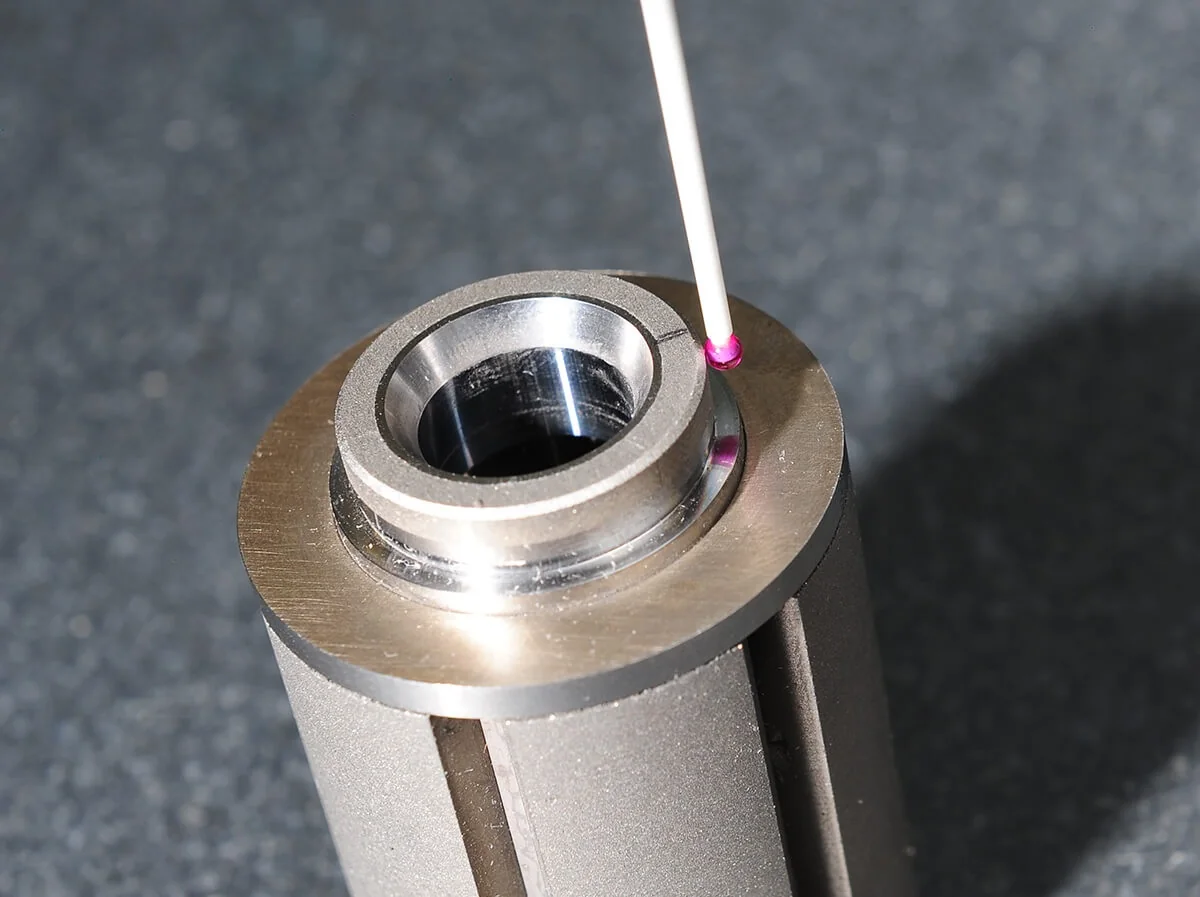
Sensors and encoders
Magnetic patterns for position feedback and compact sensing packages.
Integrated assemblies
Molded or bonded components that reduce downstream handling and alignment.
Related product routes