Engineering resources
Practical guidance for choosing and specifying custom magnets.
Use these resources to frame the right questions before an RFQ: material route, grade, operating temperature, corrosion protection, geometry, magnetization, assembly, inspection, and production volume.
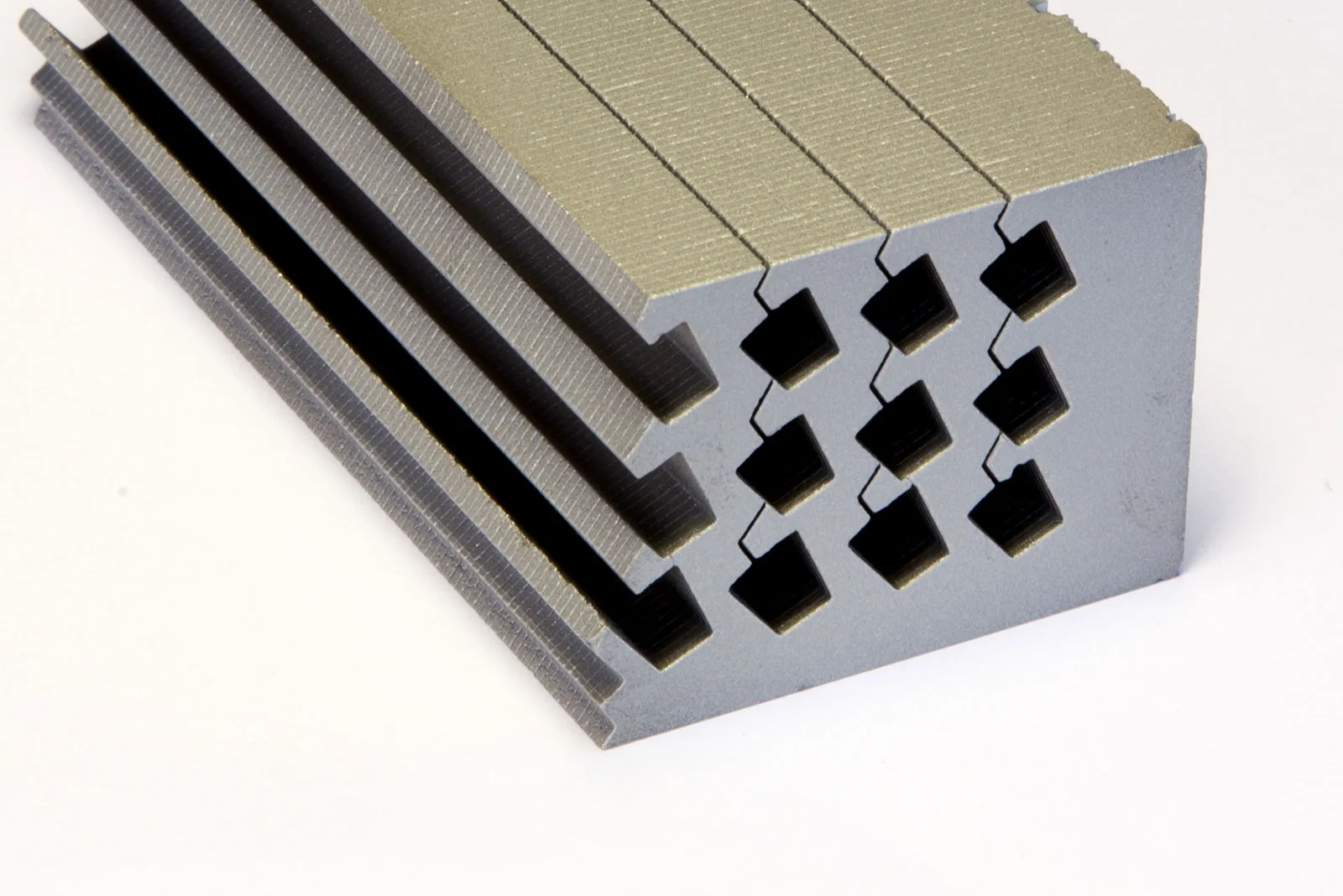
MaterialOutput, temperature, stability, corrosion, and cost
DesignGeometry, tolerances, coating, assembly, and pole direction
SupplyPrototype learning, inspection, tooling, and annual demand
Overview
A better specification reduces quote assumptions and development loops.
The most useful RFQs explain what the magnet must achieve, not only a material grade and size. When the application context is visible, the supplier can identify trade-offs and suggest a route that is more manufacturable and measurable.
01
NdFeB Grade & Temperature Guide
Balance magnetic output, coercivity, temperature, geometry, and application margin before quotation.
02
Magnet Coating Selection Guide
Connect corrosion protection with dimensional stack, bonding, handling, and measurable acceptance criteria.
03
Custom Magnet RFQ Checklist
Prepare drawings, application context, operating conditions, quantities, and evidence requirements for engineering review.
Engineering input
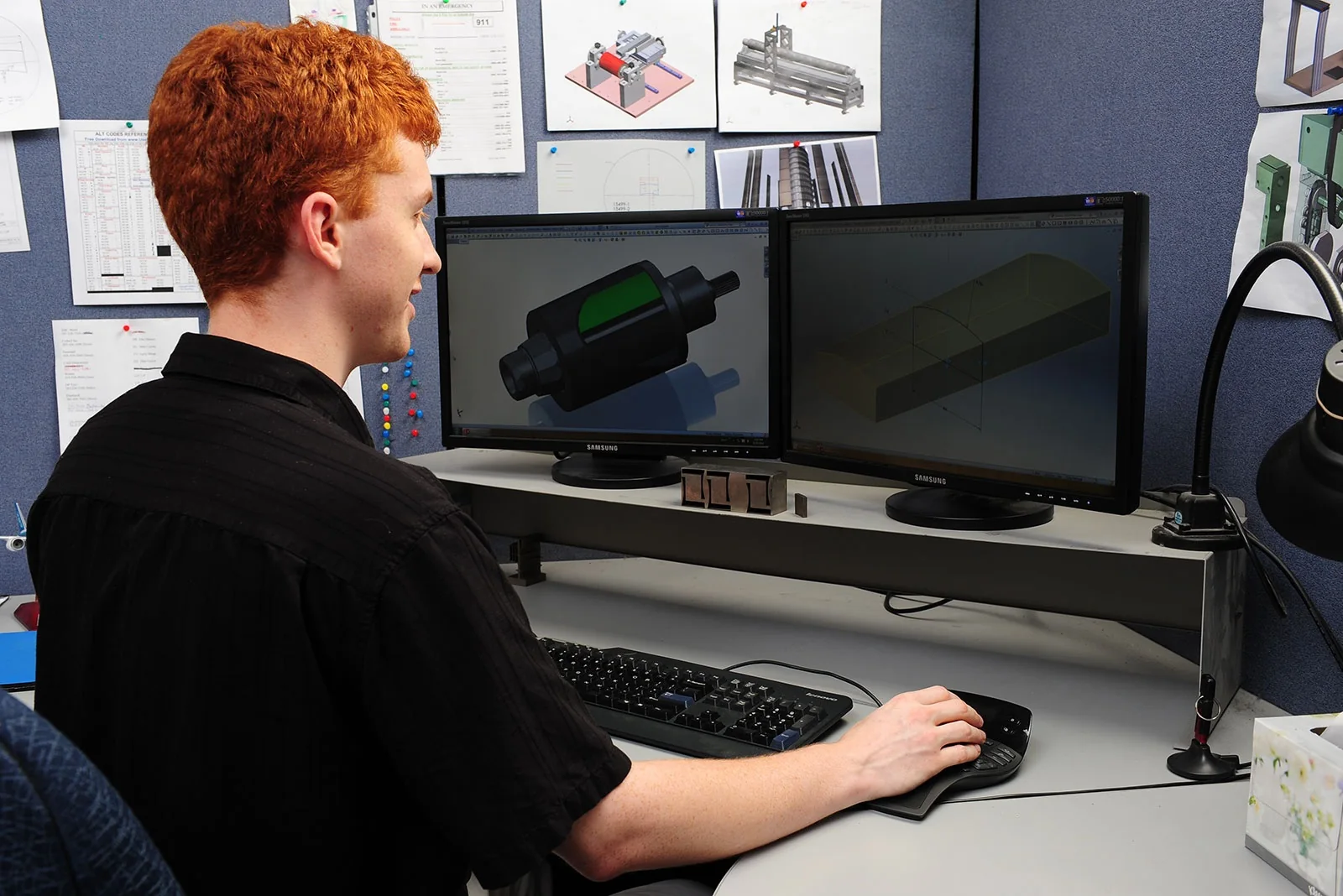
Share the magnetic circuit and assembly context when the geometry is still flexible.
Even a simplified CAD section, air-gap sketch, mating-part description, or field target can reveal whether the proposed grade and shape are sensible. Early context is especially important for thin walls, tight tolerances, multipole parts, high temperature, and coated assemblies.
- 2D drawing with tolerances and datums
- 3D model for geometry and assembly review
- Target force, torque, field, or sensing distance
- Operating temperature and environmental exposure
- Prototype quantity, annual volume, and timing
Technical reference
Quick material route comparison
Use this only as a first screen. Final grade and process selection should follow the application review.
| Material route | Often selected for | Review carefully |
|---|---|---|
| Sintered NdFeB | Highest compact magnetic output and broad grade availability | Temperature, corrosion protection, brittleness, coating, and demagnetization margin |
| Sintered SmCo | High temperature, stability, and demanding environments | Cost, brittleness, machining limits, magnetizing field, and assembly handling |
| Bonded NdFeB | Complex geometry, dimensional repeatability, inserts, and multipole patterns | Lower output, binder limits, tooling, process route, and magnetization fixture |
Start a project
Turn the checklist into an engineering review.
You do not need a perfect specification to start. Send the current drawing and known constraints; we can help identify the missing inputs before quotation.