



Assembly sequence comparison
Magnetize Before or After Assembly?
Direct answer: Choose the magnetization sequence from the final pole reference, access to the magnetizing fixture, assembled magnetic circuit, material and coating risk, handling forces, and the final inspection condition. Pre-assembly magnetization can simplify access and verification; post-assembly magnetization can make the assembled circuit define the final pole state. Neither sequence is universally correct without a controlled drawing and validation plan.
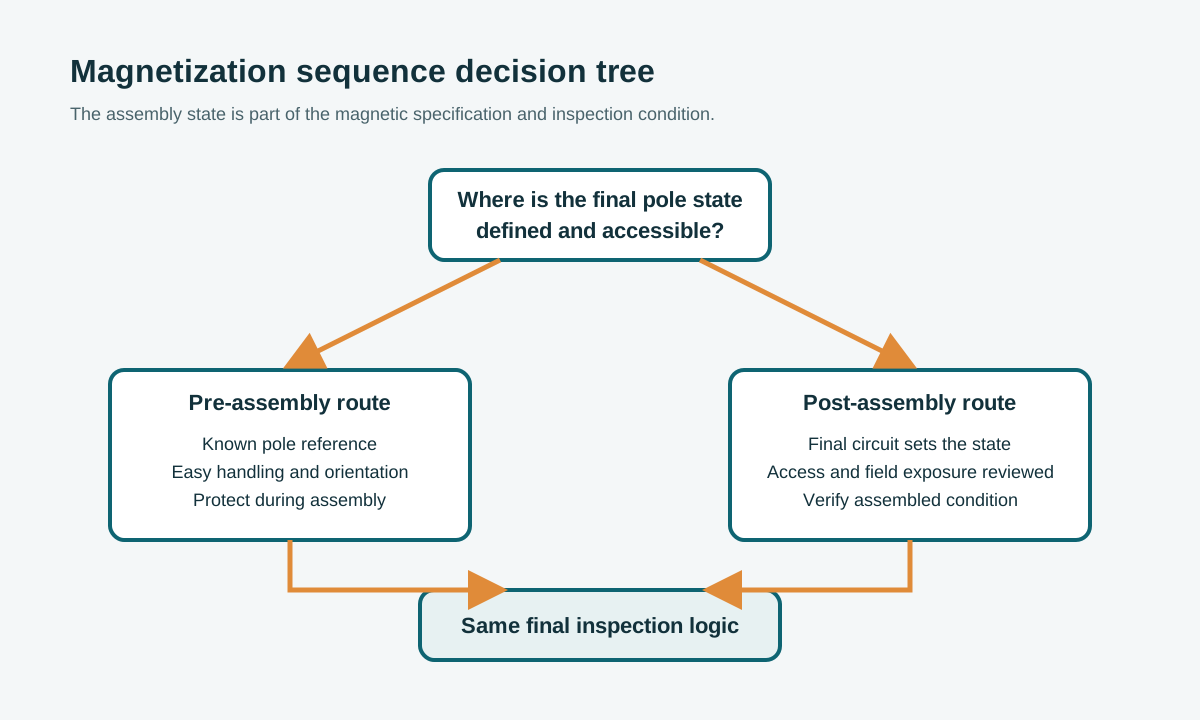
Start with the final magnetic requirement
Define the pole or pole pattern in the assembled state, then work backward to the sequence. State the physical reference, viewing direction, assembly position, nearby steel, air gap, temperature and inspection location. A sequence decision based only on whether a loose magnet is easier to handle can miss the circuit and fixture that determine the finished result.
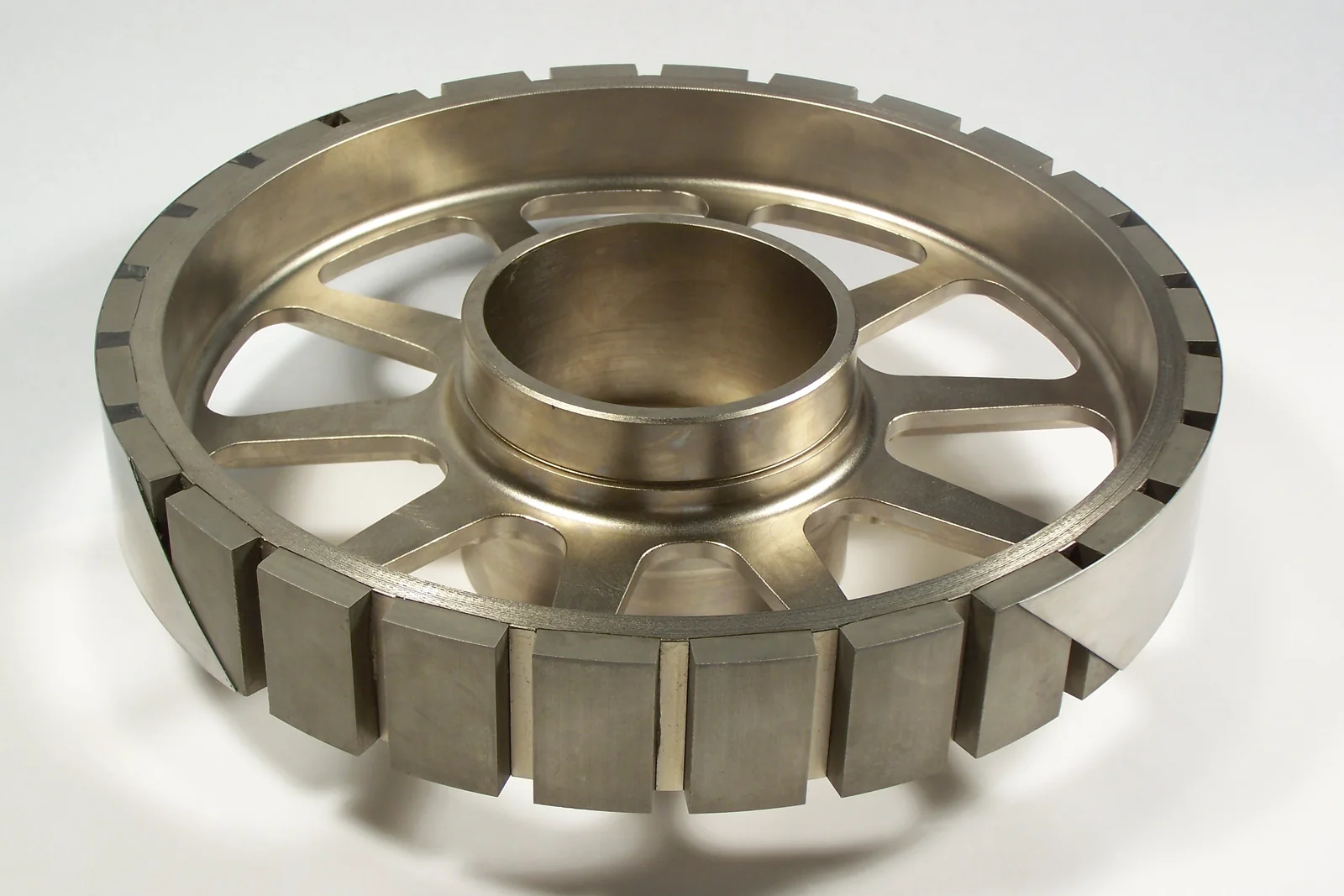
Pre-assembly versus post-assembly review
| Review layer | Pre-assembly magnetization | Post-assembly magnetization |
|---|---|---|
| Pole access | Loose part faces and reference are usually easier to access. | Access may be constrained by housing, steel, shaft or adhesive. |
| Handling | Magnetic attraction can complicate placement and create impact risk. | Unmagnetized handling may reduce attraction during joining, but the final operation adds a new control step. |
| Fixture | Fixture can be designed around the loose geometry and pole map. | Fixture must accommodate the assembled circuit and any magnetic materials nearby. |
| Damage risk | Parts can attract to tools or collide during assembly. | Magnetizing field and access must not damage the assembly, coating or electronics. |
| Inspection | Loose-part verification is possible, followed by assembly verification when function depends on the circuit. | Final assembled inspection is essential; a loose-part result is not available before the final step. |
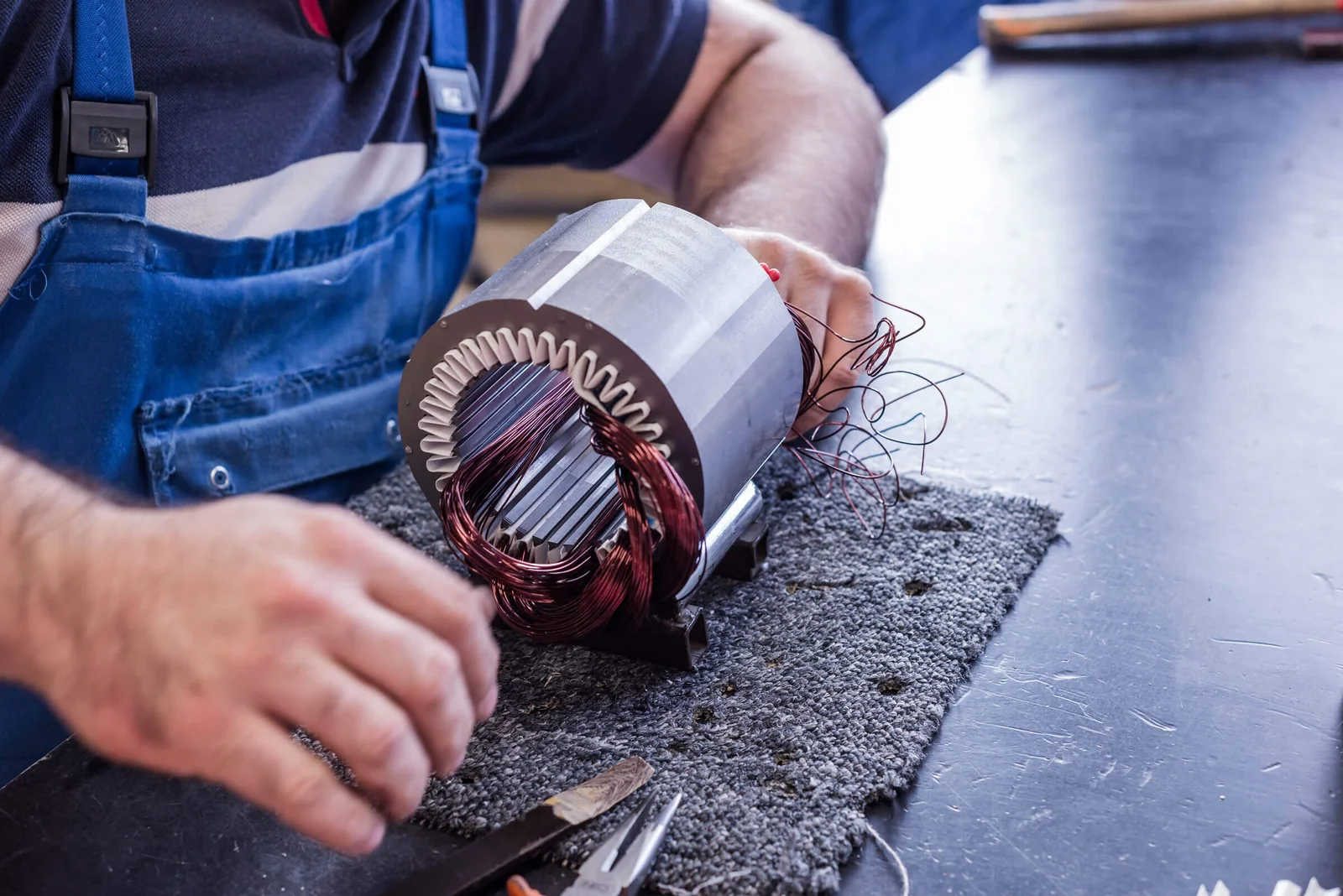
When pre-assembly is often screened
- The pole reference is accessible and stable on the loose part.
- The assembly fixture can protect the magnet from attraction, impact and reversed orientation.
- The assembled circuit does not materially change the acceptance characteristic.
- A loose-part check can catch errors before adhesive cure or closure.
When post-assembly deserves review
- The housing, steel or shaft defines the final field path or pole access.
- The assembly requires a final angular or multipole pattern that is difficult to preserve loose.
- Pre-magnetized parts would create unacceptable handling or attraction risk.
- The final acceptance test is defined on the assembled functional output.
Release the sequence with its inspection state
Document whether the part is magnetized before joining, after joining, or at more than one controlled stage. Include fixture reference, field or pole characteristic, measurement location, temperature, assembly revision, handling limits and disposition for exceptions. Validate the final assembled function even when a loose-part check is used as an upstream screen.
For related work, review Custom Capabilities, magnetization direction and patterns, Quality, and the RFQ form.
Frequently asked questions
Is it safer to magnetize every part after assembly?
No. Post-assembly magnetization can reduce pre-assembly attraction, but access, fixture, nearby materials, electronics and final inspection must be reviewed.
Does pre-magnetizing make polarity mistakes impossible?
No. It can make a loose-part check easier, but loading orientation, reference direction and station controls still determine whether the correct pole reaches the assembly.
Can a steel housing change the decision?
Yes. Steel can change access, the magnetic circuit and the assembled acceptance result. The housing and final air gap belong in the sequence review.
Should the loose magnet be tested if magnetization occurs after assembly?
A loose-part test may not represent the final state. Use the final assembled test as the release evidence and define any upstream checks separately.
What must be on the process record?
Record the sequence, drawing revision, fixture, pole reference, measurement condition, assembly state, operator or station, lot and acceptance result.
Source and evidence boundary
The dated Google comparison SERP supplied the option vocabulary and manufacturing questions. Existing project-controlled magnetization, assembly and quality references support the decision framework; no supplier field, equipment or process-capability claim was adopted.

Frequently asked questions
Is post-assembly magnetization always safer?
No. It may reduce pre-assembly attraction, but access, fixture, nearby materials, electronics and final inspection must be reviewed.
Should a loose magnet be tested if magnetization occurs after assembly?
A loose-part result may not represent the final state. Use the assembled acceptance test as the release evidence and define upstream checks separately.
Does pre-magnetizing make polarity mistakes impossible?
No. Loading orientation, reference direction and station controls still determine whether the correct pole reaches the assembly.
Can a steel housing change the sequence decision?
Yes. Steel can change access, the magnetic circuit and the assembled acceptance result, so the housing and final air gap belong in the review.
What must be on the process record?
Record the sequence, drawing revision, fixture, pole reference, measurement condition, assembly state, station, lot and acceptance result.