



Quality and evidence
Quality that follows the part, not just the paperwork.
A good part should arrive with the same intent it had on the drawing. We build quality around the characteristics that make the magnet work, then carry those controls through production and repeat supply.
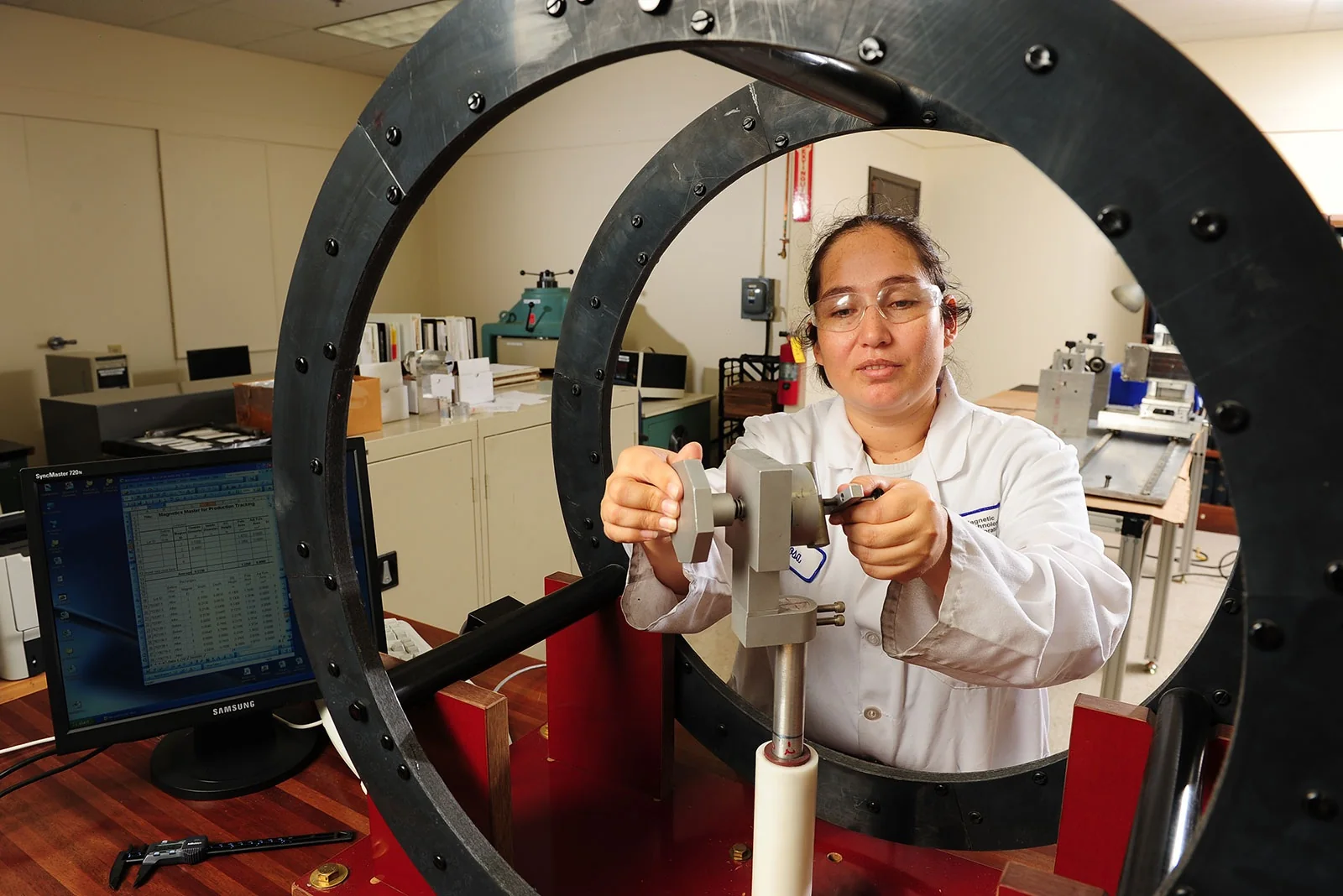
PlanAcceptance criteria linked to the drawing and application
ControlIncoming, in-process, and final checks by risk
EvidenceDimensional, magnetic, coating, and traceability records
Overview
Measure what protects product performance.
Dimensions alone do not tell the whole story. Material consistency, magnetic direction, field behavior, coating integrity, edges, assembly fit, and handling can all decide whether the part succeeds in the real product.
01
Requirement control
Drawings, specifications, revisions, samples, and deviations are reviewed before the production route is released.
02
Dimensional inspection
Critical dimensions, geometric features, fixtures, sampling, and measurement method are aligned to the part function.
03
Magnetic verification
Flux, surface field, magnetic moment, pole pattern, direction, or application-specific mapping can be planned as required.
04
Surface and appearance
Coating thickness, adhesion, corrosion route, chipping limits, cleanliness, and visual criteria are defined for the program.
05
Traceability and records
Material lot, process batch, inspection results, packaging, and shipment records support investigation and repeat supply.
06
Change communication
Material, process, tooling, supplier, or inspection changes should follow the agreed customer notification route.
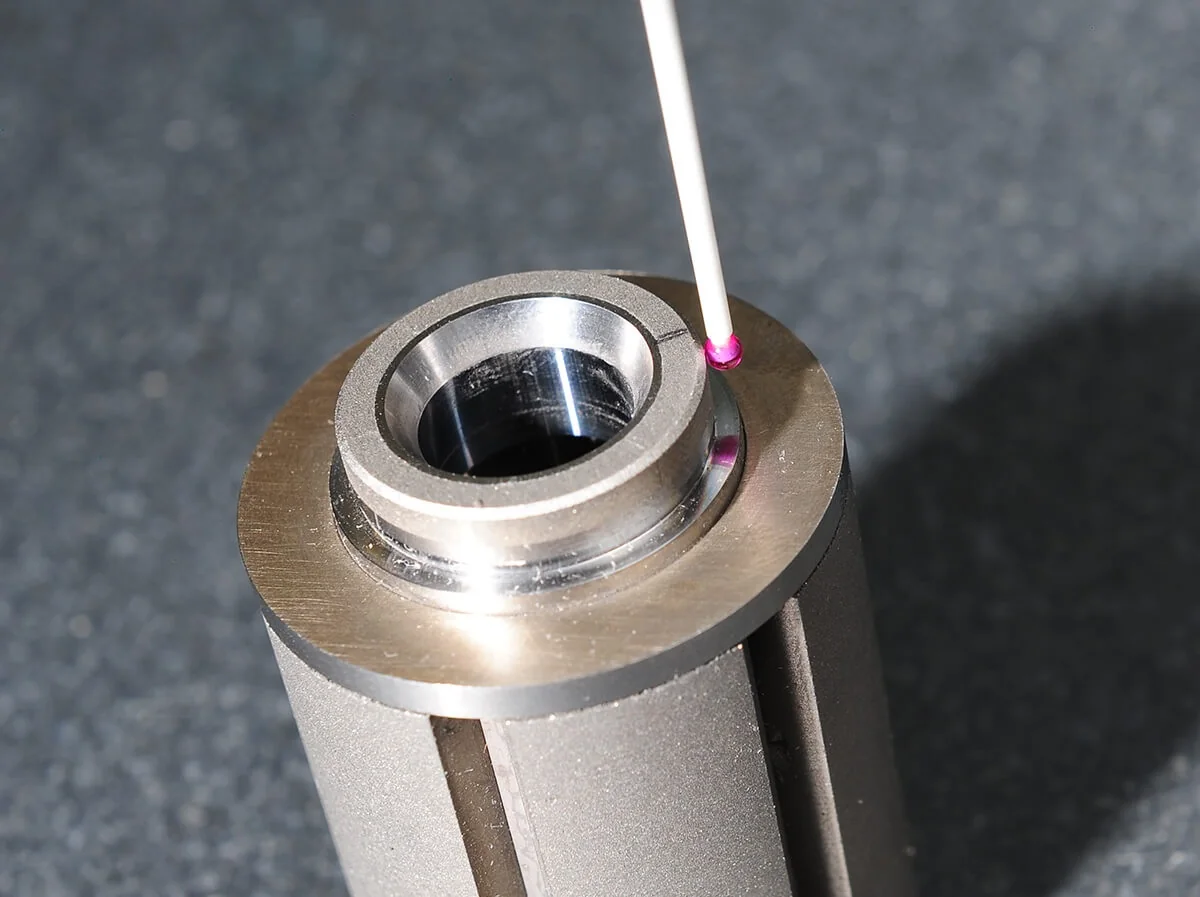
Inspection planning
A measurement only matters when it predicts real performance.
The datum, fixture, position, orientation, air gap, sampling method, and acceptance limit all shape what a result actually means. Good measurement makes the product less uncertain, not just the report more complete.
- Drawing characteristics and critical-to-function features
- Gauge, fixture, datum, and measurement method
- Sampling and capability expectations
- Magnetic test position and acceptance limits
- Certificate, report, traceability, and retention needs
Engineering guides
Turn the next technical question into a clear decision.
Neodymium Magnet Coating Types
Define coating around environment, finished dimensions, bonding, handling, and the evidence used to accept the surface.
Read the guideHow Permanent Magnet Dimensions Are Inspected
Choose gauges, contact or optical methods, CMMs, fixtures, coated-state definitions, and sampling around the functional datum scheme.
Read the guideMagnetization Direction and Patterns
Specify pole direction or pattern together with the physical reference and the method used to verify the magnetic result.
Read the guidePermanent Magnet Dimensional Tolerances
Connect critical dimensions with datums, fixtures, sampling, and a measurement method that reflects the product interface.
Read the guideWorking process
Quality is built before final inspection.
The right controls begin with the drawing and continue wherever variation can affect the finished product.
Contract review
Confirm revision, specification, special characteristics, testing, documentation, and packaging.
Incoming control
Verify applicable raw material, outsourced process, and supplier documentation inputs.
In-process control
Monitor dimensions and process parameters at the stages where variation can be prevented.
Final verification
Confirm agreed dimensional, magnetic, coating, appearance, marking, and quantity criteria.
Release and traceability
Link inspection status, lot identity, packaging, and shipping documentation.
Corrective action
Contain issues, identify root cause, verify action, and communicate changes with evidence.
Evidence centre
Quality evidence should answer the buyer’s next question.
A certificate alone does not prove that a specific magnet route is controlled for your part. We connect certification, process controls, inspection records, and documented boundaries so engineering and purchasing can see what evidence applies and what must be confirmed for the program.
Certification evidence
Site certificate, scope, issuing body, validity, and the production route it covers.
Request route- and site-specific coverage.
Material and compliance
RoHS / REACH support, declarations, material data, and market-specific substance boundary.
Confirm the applicable market and part scope.
Dimensional evidence
CMM, gauging, optical measurement, runout, concentricity, and agreed sampling.
Define datums, coating state, and sampling plan.
Magnetic evidence
Polarity, flux, field, waveform, force or torque, and fixture-dependent test conditions.
Agree the measurement fixture and acceptance range.
Surface and reliability
Coating thickness, adhesion, corrosion exposure, appearance criteria, and packaging protection.
Set exposure, handling, and acceptance conditions.
Program evidence
Drawing revision, first-article summary, traceability, change communication, and retained records.
Identify release evidence and record retention.
Control points
Control follows the part from surface to shipment.
Coating control
Surface protection is managed as a functional process, not a cosmetic afterthought.
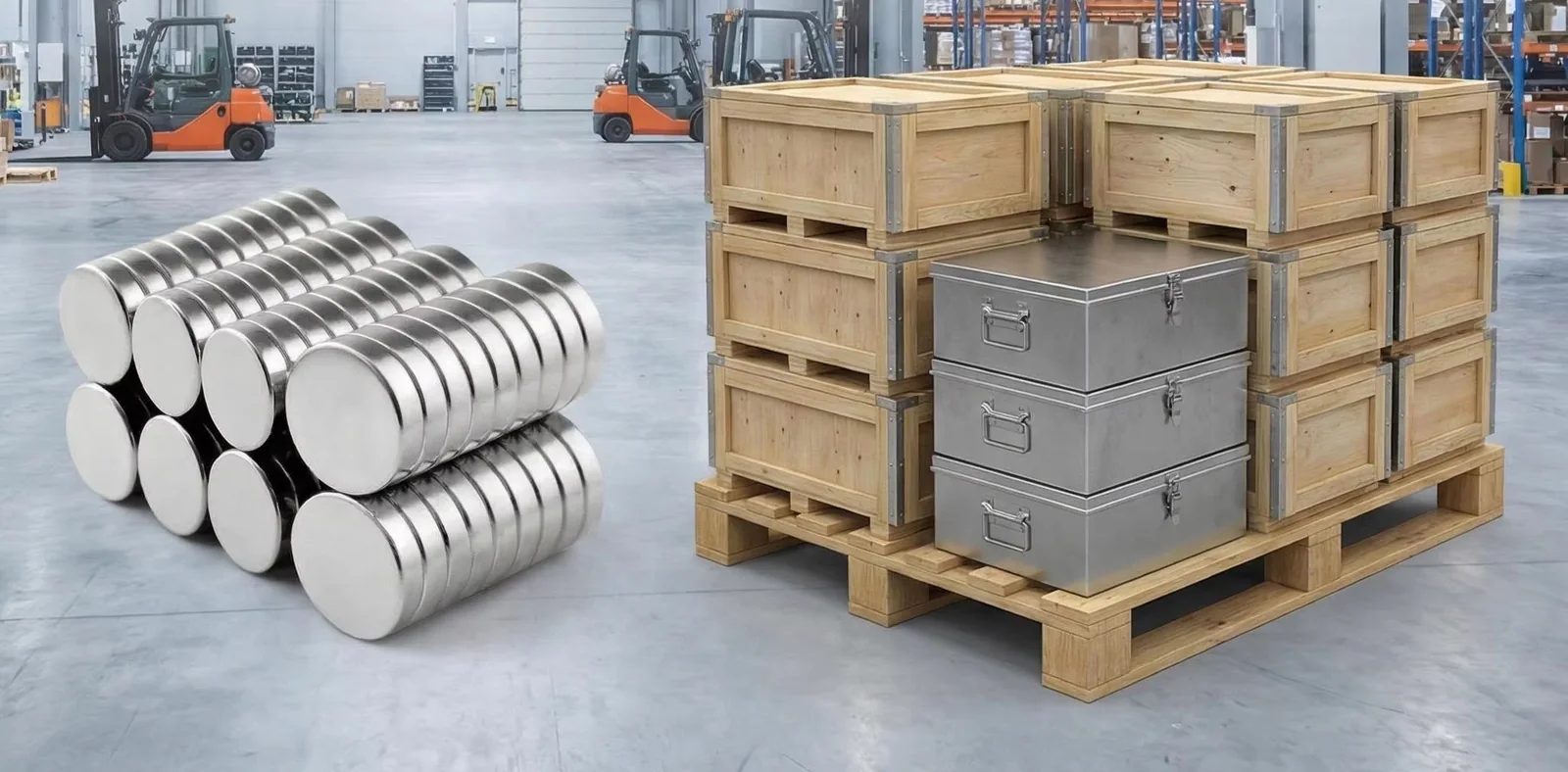
Packaging verification
Polarity, separation, corrosion protection, chipping risk, and transport handling inform packaging.
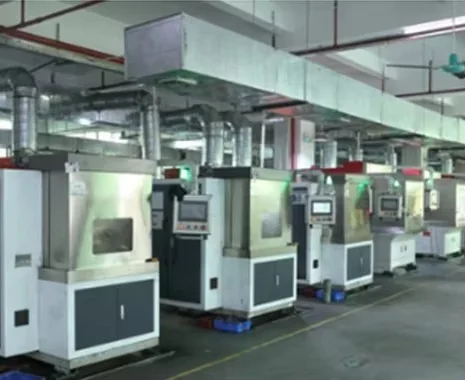
Process discipline
Stable machining and handling routes support dimensional consistency and edge protection.
Technical reference
Verify the evidence that applies to your production route.
The references below are common OEM requirements. Coverage is route- and site-specific, so the applicable certificate, scope, validity, and part-level declaration should be confirmed for each program.
| Reference | Evidence to request | Typical project relevance |
|---|---|---|
| IATF 16949 | Applicable site certificate, manufacturing scope, issuing body, validity, and customer-specific requirements | Automotive programs when the selected route is covered |
| ISO 9001 | Applicable site certificate, scope, issuing body, and validity | General OEM quality planning and repeat production |
| ISO 14001 | Applicable site certificate, scope, issuing body, and validity | Environmental management requirements for the selected operation |
| RoHS / REACH | Part-specific declaration, material data, supplier evidence, and requested substance scope | Market access and customer compliance requirements |
Start a project
Make quality part of the design conversation.
Tell us which characteristics protect the product and what evidence your team needs to release it with confidence.