



Arc and segment magnets for curved magnetic circuits.
A general curved product family covering arc segments, tiles, matched sets, and drawing-defined variants across rare-earth material, coating, magnetization, and assembly options.
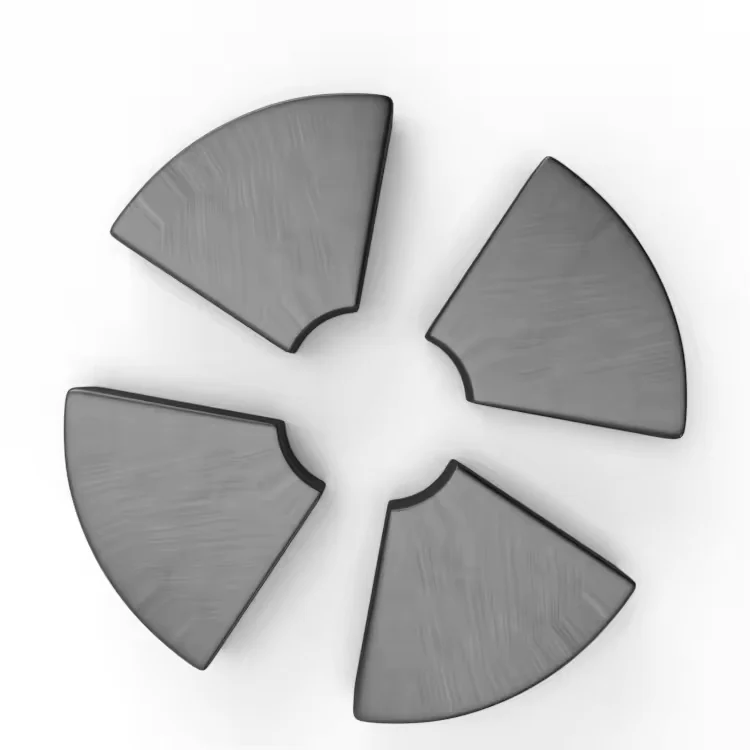
Product familyArc segments, tiles, curved pieces, and matched magnet sets
Common materialsSintered NdFeB, sintered SmCo, or bonded rare-earth material where suitable
Common custom optionsRadii, angle, length, coating, pole direction, matched sets, marking, and packaging
Typical usesBLDC and PMSM motors, pumps, actuators, generators, and curved assemblies
Product
The curved segment is the product; motor, material, and coating are specifications.
Marketplace catalogs often repeat the same arc shape under motor, grade, coating, or application labels. This page keeps those variants under one curved product family. The released drawing then controls radii, angle, length, material, pole direction, coating state, matched-set relationship, and acceptance.
Review arc geometry, coating, matched-set, assembly, and inspection capabilities
Curved geometry matched to circular magnetic circuits
Matched-set and orientation-control options
Material routes for output, heat, and environment
Common sourcing situations
- The supplied part is an individual curved arc, tile, or segment.
- Inner and outer radius, arc angle, and axial length define the primary geometry.
- Segment count, polarity sequence, coating state, and orientation can be controlled as set attributes.
- The application uses a curved magnetic circuit in a motor, pump, actuator, generator, or custom assembly.
Details to confirm before production
- Radius, chord, angle, length, and coating build all influence assembly fit and air gap.
- Brittle edges, adhesive gaps, retention, and high-speed handling need explicit requirements.
- Matched sets need polarity, segment identification, sequence, and packaging control.
- Magnetic output must be approved in the real rotor, stator, or curved assembly circuit.
Specification
Define the curved interface and the matched-set condition together.
A useful arc specification combines inner and outer radius, arc angle or chord, axial length, edge condition, material, coating, pole direction, segment count, assembly gap, retention, packaging, and inspection. Motor and pump uses remain applications of the arc product rather than separate overlapping products.
Common information used to define an arc or segment magnet.
| Geometry | Inner radius, outer radius, arc angle or chord, axial length, edge condition, segment count, and datums. |
|---|---|
| Material route | NdFeB, SmCo, or bonded rare-earth route selected by output, temperature, environment, geometry, and cost. |
| Magnetization | Through thickness, radial, parallel, custom direction, polarity sequence, orientation mark, and delivery state. |
| Surface and assembly | Coating, adhesive compatibility, air gap, rotor or stator location, sleeve, retention, cleanliness, and handling. |
| Inspection and packaging | Radius, chord, angle, length, coating state, polarity, matched-set control, identification, and oriented packing. |
Technical Data
Generic arc and segment product reference.
The fields below reflect common product-listing options. They organize a sourcing conversation but do not promise stock sizes, grades, tolerances, output, matched-set performance, or delivery terms.
| Specification field | Common catalog options | Confirm for production |
|---|---|---|
| Dimensions | Inner radius × outer radius × arc angle or chord × axial length | Finished dimensions, tolerances, datums, edge condition, and coated state |
| Material | NdFeB, SmCo, or bonded rare-earth route | Grade, operating temperature, load line, geometry, and environment |
| Magnetization | Through thickness, radial, parallel, multipole, or drawing-defined direction | Polarity, sequence, physical reference, delivery state, and test position |
| Surface | Nickel, epoxy, zinc, passivation, or application-reviewed protection | Exposure, coating build, adhesive compatibility, edge coverage, and assembly fit |
| Set control | Individual segments, matched sets, identified positions, or orientation-packed groups | Segment count, polarity sequence, gaps, marking, retention, and packaging |
| Supply condition | Loose arcs, matched sets, bonded subassemblies, or assembly-ready components | Quantity, cleanliness, handling, acceptance documents, and change control |
This is generic catalog information. Final capability and acceptance are confirmed after drawing, material, magnetic, coating, matched-set, and application review.
Common catalog variants
Common curved variants remain part of one arc and segment family.

Arc segments
Curved pieces defined by inner and outer radius, arc angle, and axial length.
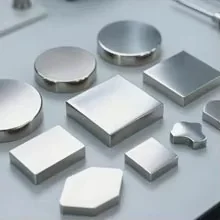
Tiles and wider curved parts
Broader curved geometries used where the magnetic circuit and mechanical interface require more surface area.
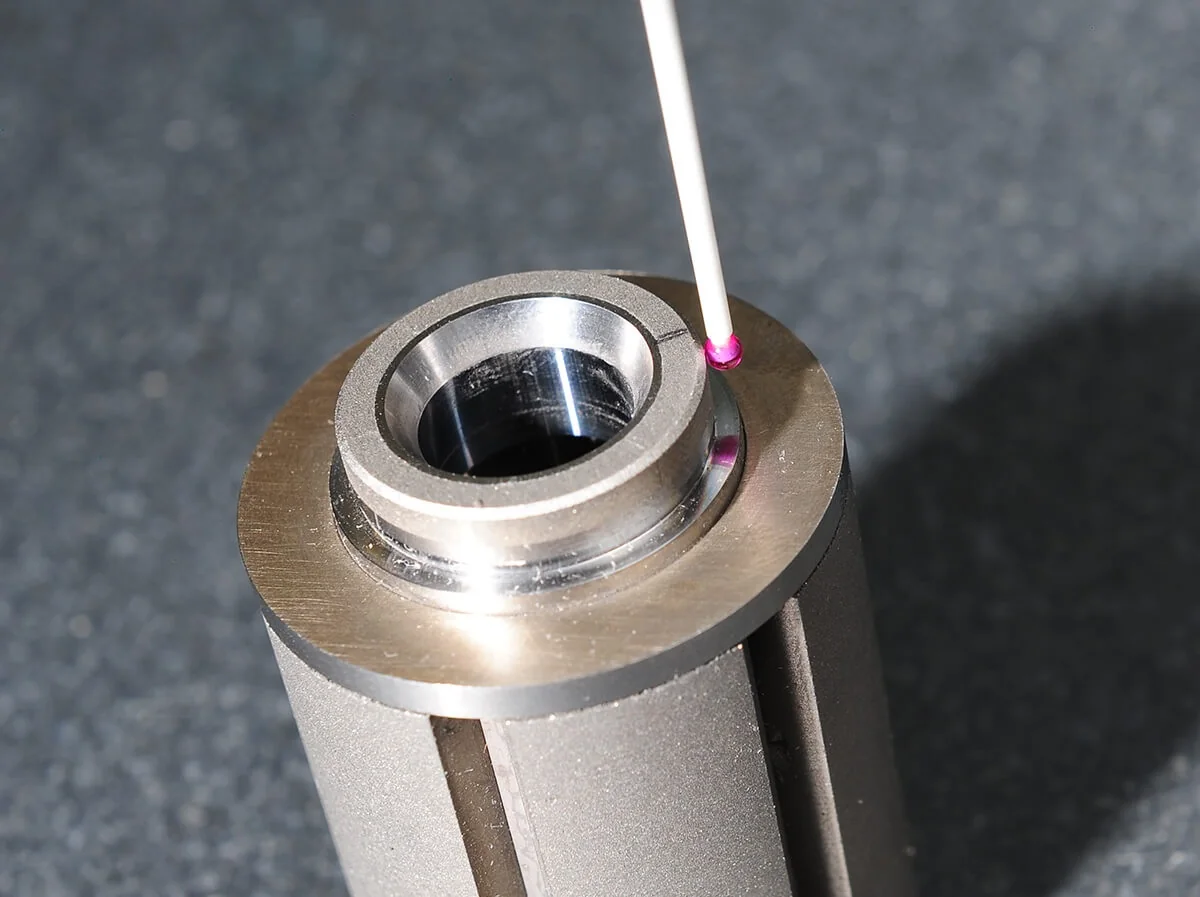
Matched magnet sets
Identified and orientation-controlled segment groups prepared around polarity, order, gaps, and assembly handling.
Application examples
Common applications for curved magnetic components.

BLDC and PMSM motors
Curved rotor or stator segments reviewed around torque, air gap, temperature, pole direction, coating, and retention.
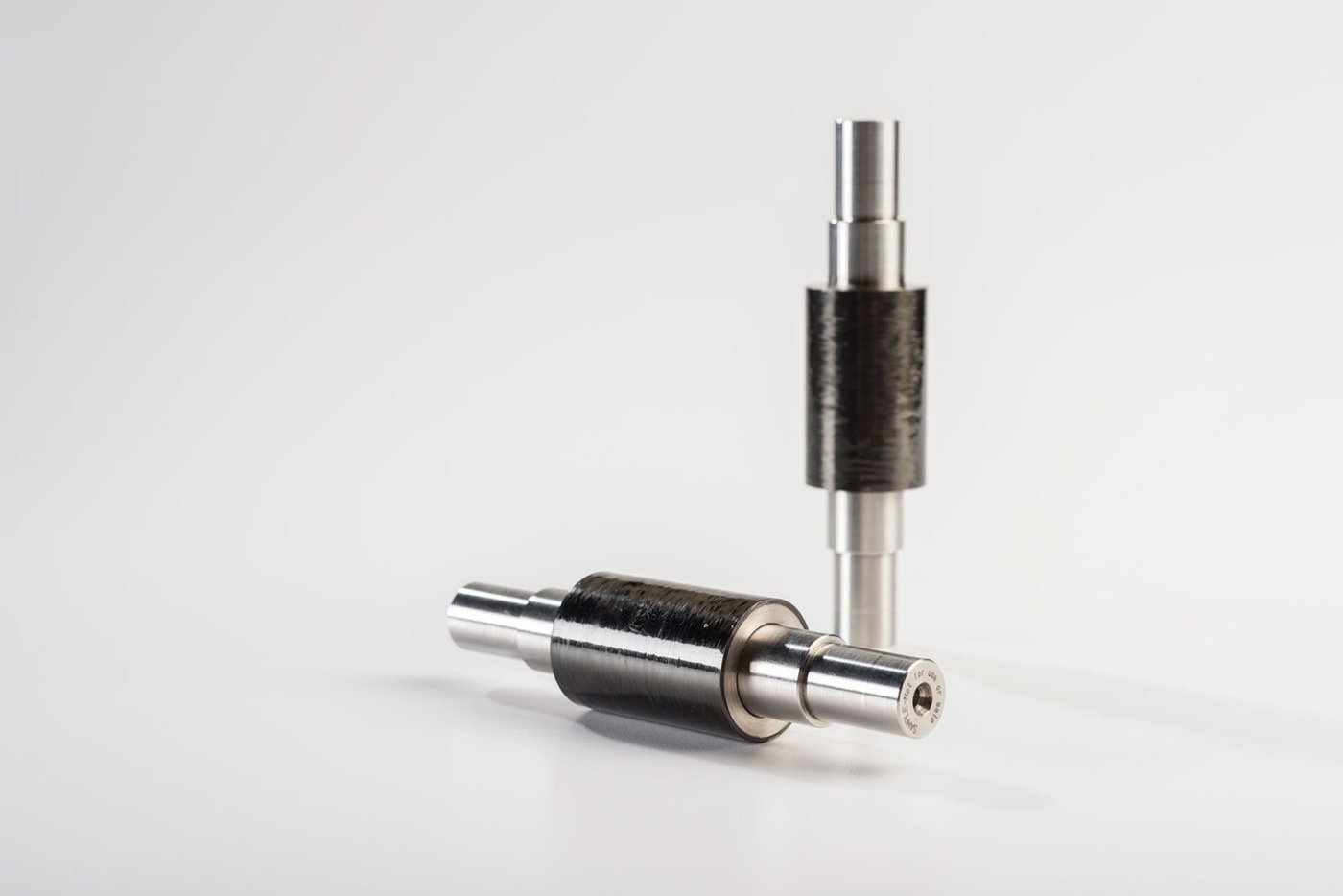
High-speed rotating systems
Matched segments used with defined retention, sleeve, balance, handling, and validation responsibilities.
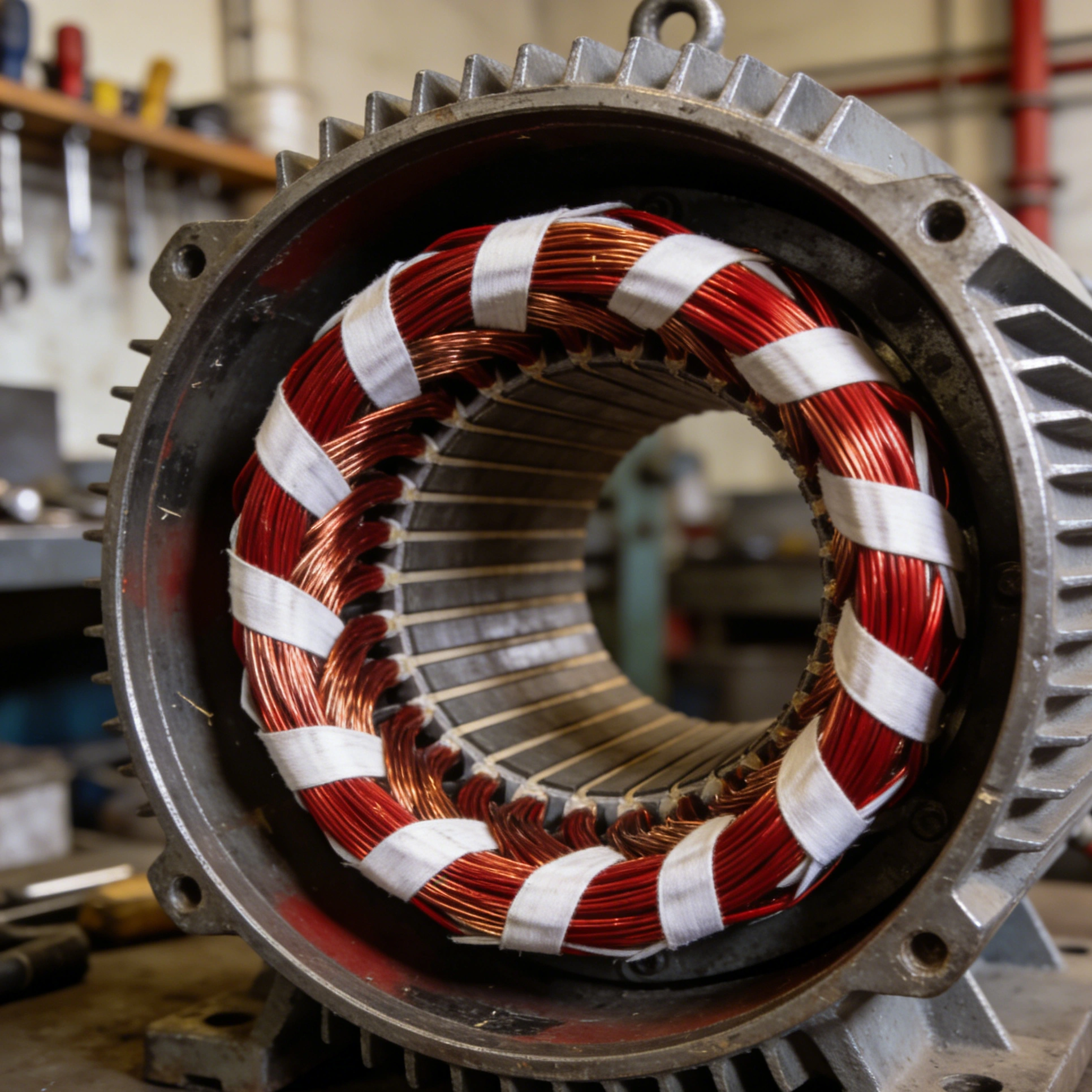
Pumps, actuators, and generators
Curved magnetic circuits specified around duty cycle, exposure, geometry, assembly, and repeat supply.
Engineering guides
Use the same engineering checks across every product family.
Material, coating, magnetization, tolerances, and inspection remain product attributes. Confirm them against the drawing and application instead of creating another duplicate product category.
SmCo vs NdFeB Magnets
Compare output, temperature, corrosion, geometry, magnetization, assembly, and risk.
Read the guideNeodymium Magnet Coating Types
Select surface protection by environment, bonding, edge coverage, and finished dimensions.
Read the guidePermanent Magnet Dimensional Tolerances
Define radius, chord, angle, datums, coated state, and inspection methods.
Read the guideRelated product routes