



Assembly polarity diagnosis
Wrong Magnet Polarity in an Assembly: Diagnosis and Prevention
Direct answer: Treat an incorrect pole orientation as a traceable assembly error until a controlled check proves otherwise. Confirm the physical reference, compare the part with a known master, verify the pole at the station before cure or closure, quarantine exceptions, and record the result. A compass, pole indicator, gaussmeter or Hall fixture can support the check; none replaces a defined reference and acceptance condition.
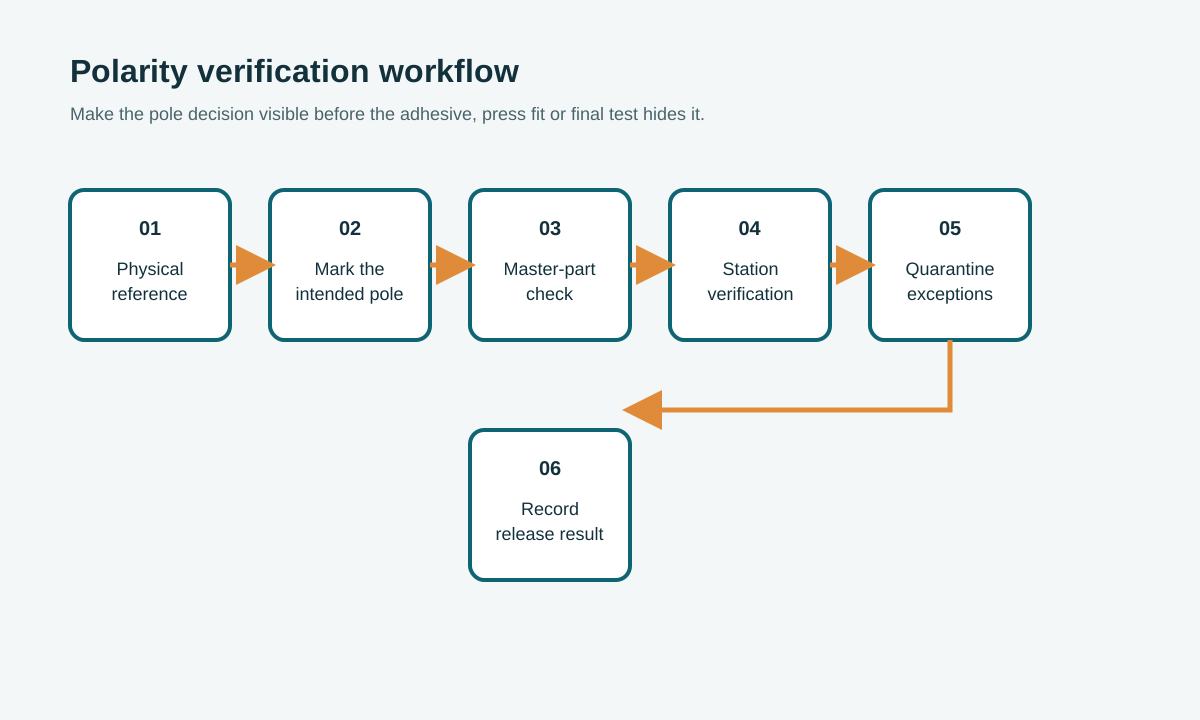
Diagnose the error before changing the part
Stop the affected station and separate suspect, accepted and reference parts. Record the drawing revision, assembly position, intended pole, delivery state, lot and time of discovery. Photograph the orientation and fixture before removing a glued or press-fit magnet. The first question is not “which pole is wrong?” but “what physical reference was the station using?”
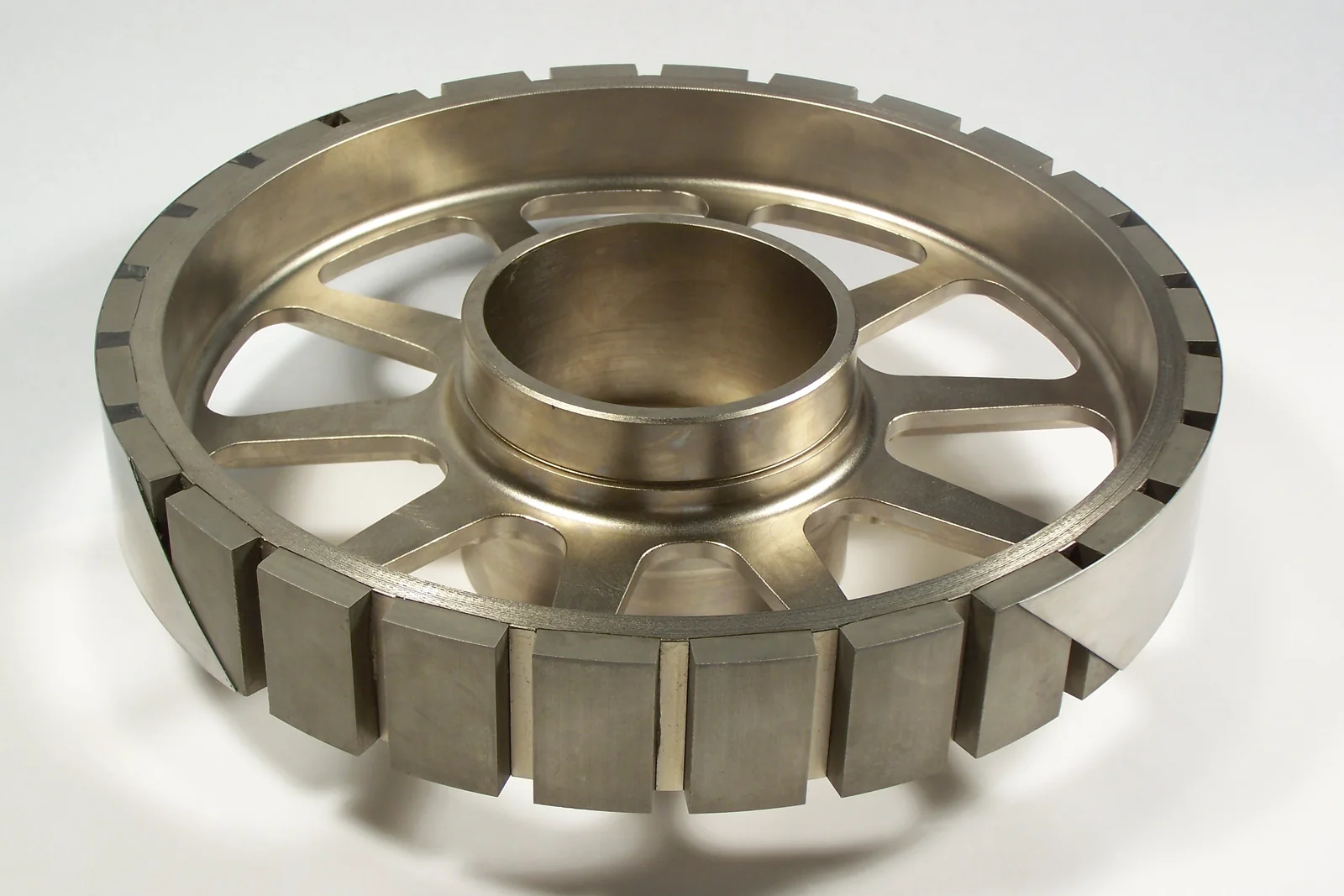
Polarity verification matrix
| Observation | Immediate check | Evidence to retain | Do not conclude yet |
|---|---|---|---|
| Part repels the reference | Confirm reference pole, viewing direction and assembly face | Master ID, orientation photo and check result | Magnet was demagnetized |
| Sensor signal is inverted | Repeat at the defined height, path and fixture state | Instrument, setup, temperature and trace | Sensor is defective |
| Only one pocket is wrong | Check loading orientation, marking and nest poka-yoke | Station, operator handoff and lot records | Incoming parts are all wrong |
| Pattern is wrong after bonding | Compare the released pole map with the cured assembly | Drawing revision, cure state and inspection map | Adhesive caused a magnetic change |
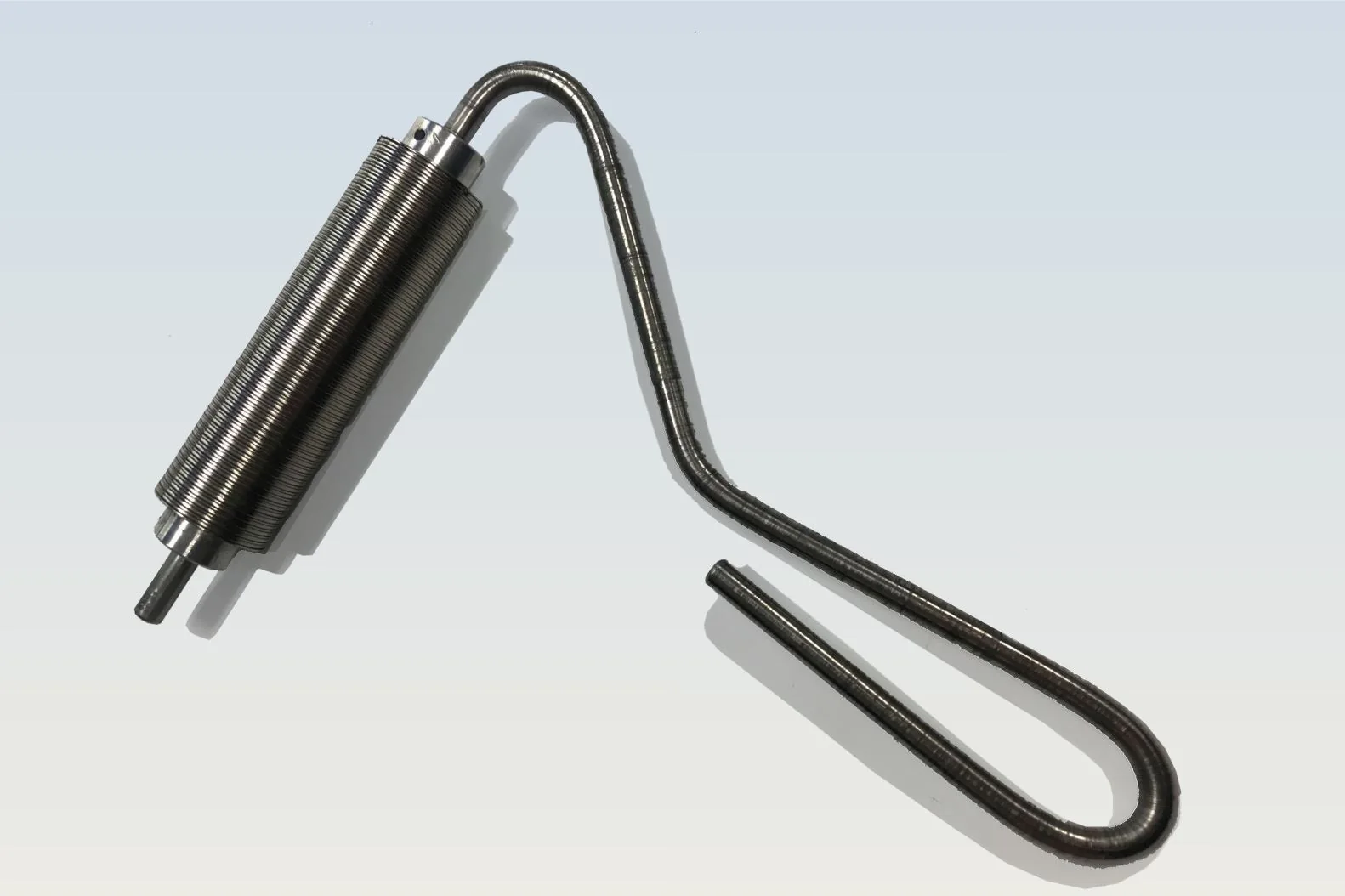
Prevent the same mistake at the station
- Show the pole reference on the drawing, work instruction and nest, not only in a supplier note.
- Mark one face or use a keyed carrier when the finished part permits it.
- Keep a known master part with an ID and revision; do not rely on an unmarked loose magnet.
- Verify the pole before adhesive cure, overmolding, closure or irreversible press-fit steps.
- Quarantine an exception and review whether the error can affect a whole lot or only one pocket.

What a release record should contain
Record the part and drawing revision, pole or pattern definition, reference direction, inspection tool or fixture, measurement location, acceptance rule, operator or station, lot, date and disposition. If the assembly is magnetized after joining, record the assembled state and the final check rather than treating the loose magnet check as sufficient.
For related engineering context, review magnetization direction and pole patterns, bonded NdFeB product routes, Quality, and the controlled RFQ form.
Frequently asked questions
Can a compass identify the wrong pole?
It can indicate a pole relationship, but the assembly still needs a defined viewing direction, reference part and acceptance condition. A compass is not a substitute for a released pole map.
Can a wrong pole be fixed by flipping the magnet?
Sometimes a loose, accessible part can be reoriented, but bonded, coated, press-fit or damaged parts need controlled disposition. Do not remove the part before preserving the evidence.
Does an inverted signal prove the magnet is demagnetized?
No. Reversed orientation, sensor direction, fixture position or wiring can invert a signal. Compare the same part and setup against the released reference first.
How can an assembly line prevent polarity errors?
Use a physical reference, visible marking or keyed nest, station-level verification, quarantine rules and a recorded acceptance result before irreversible assembly steps.
What should be specified on a magnet drawing?
Define the direction, pole or pole pattern, physical datum, viewing direction, delivery or assembly state, measurement location, method and acceptance criterion.
Source and evidence boundary
The dated Google SERP was used to map symptom language and prevention questions. General magnetization references support terminology and control logic; no competitor sensor, fixture, temperature, force or production claim was adopted.
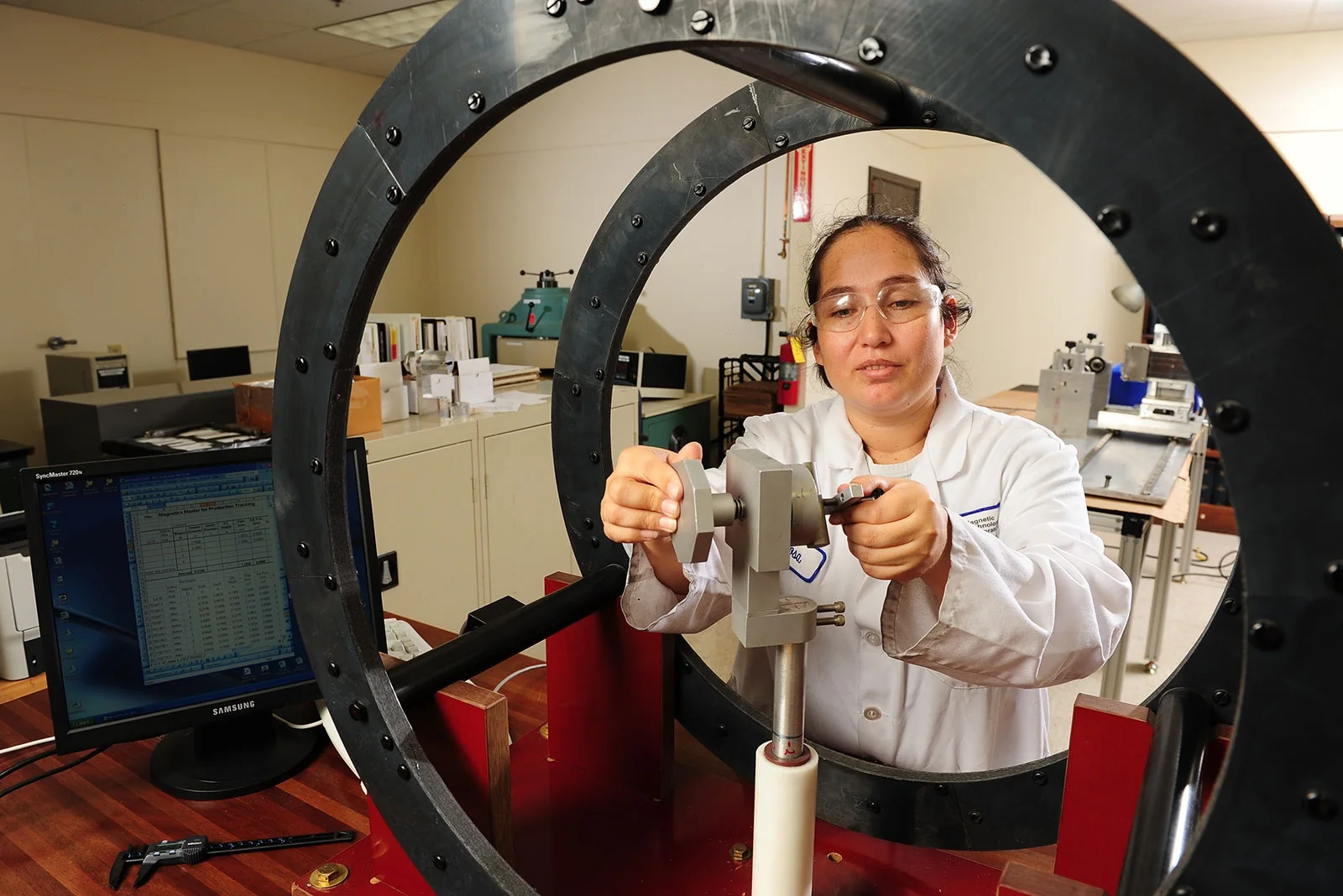
Frequently asked questions
How can an assembly line catch a reversed magnet pole?
Use a physical pole reference, a known master part, a station-level check before an irreversible step, quarantine rules and a recorded acceptance result.
Does an inverted sensor signal prove demagnetization?
No. Reversed orientation, sensor direction, fixture position or wiring can invert the signal. Compare the same part and setup against the released reference.
Can a compass identify the wrong pole?
It can indicate a pole relationship, but the assembly still needs a defined viewing direction, reference part and acceptance condition.
Can a wrong pole be fixed by flipping the magnet?
Sometimes a loose accessible part can be reoriented, but bonded coated press-fit or damaged parts need controlled disposition.
What should be specified on a magnet drawing?
Define the direction, pole or pole pattern, physical datum, viewing direction, delivery or assembly state, measurement location, method and acceptance criterion.